
A market economy tied to the countryside
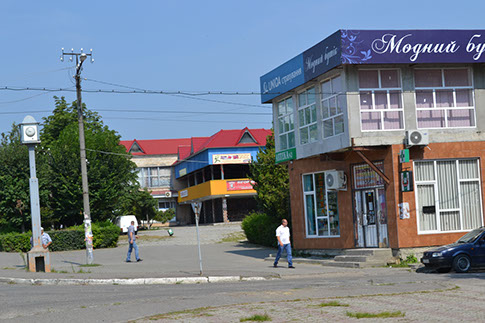
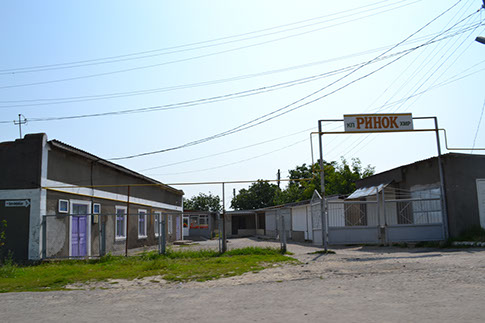
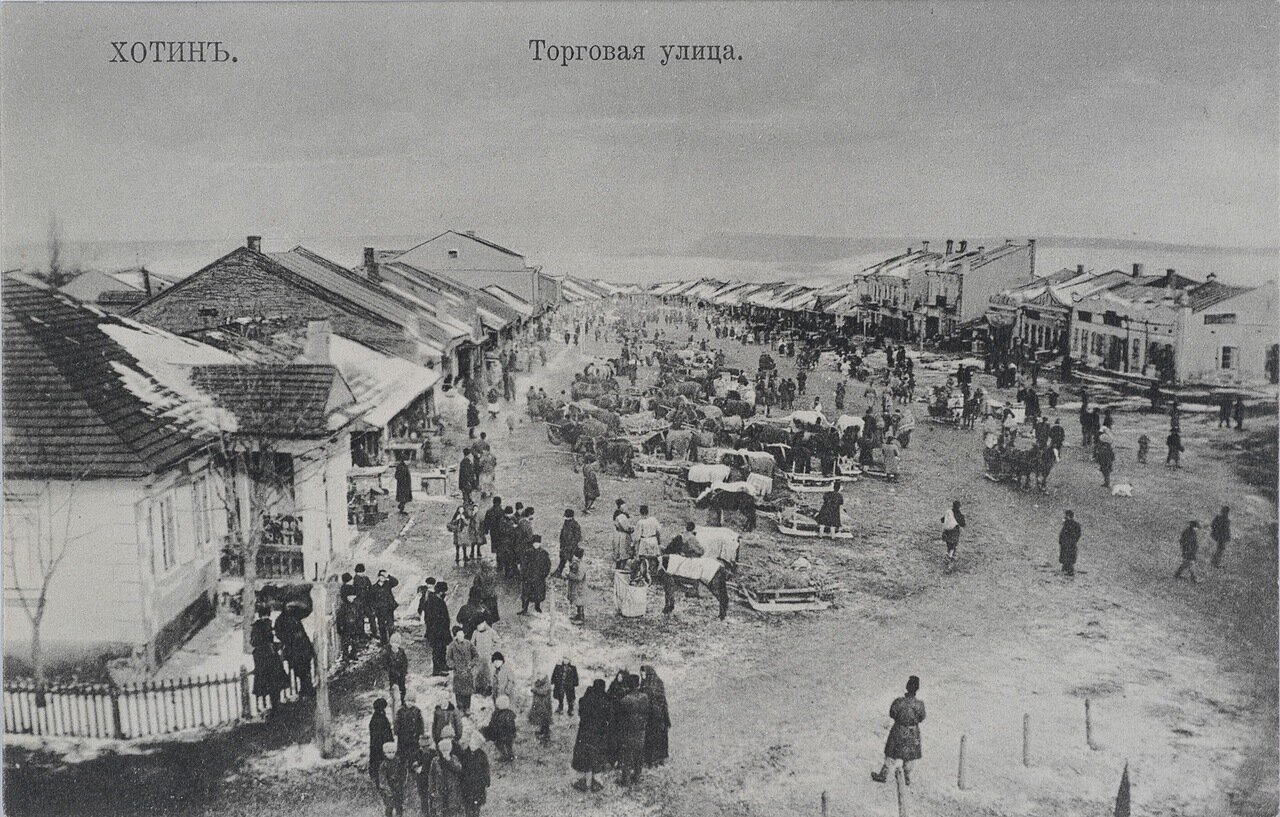
Khotyn’s shops and workshops served farmers from the surrounding countryside. The weekly fair filled the streets with carts, animals, produce, and customers. Craftspeople repaired goods, traders bought and sold, and carriers moved people and supplies.
1774: Occupations before hereditary surnames
The 1774 fiscal list identifies Jewish taxpayers through names, relationships, occupations, and places of origin. Named occupations include shopkeeper, goldsmith, innkeeper, glazier, and coachman.
Nineteenth century: Merchants, craftsmen, and peddlers
Under Russia, Khotyn’s Jewish population expanded alongside its market functions. Merchants ranged from wholesalers with regional connections to tiny shopkeepers with narrow margins. Artisans included tailors, shoemakers, metalworkers, bakers, carpenters, and others whose labor rarely generated extensive paper records. Village peddlers depended on town credit and supply networks.
Economic labels in Russian records also reflect legal estates. “Merchant,” “meshchanin” or townsman, artisan, and other categories were administrative identities as well as descriptions of work. A family could change actual occupation while remaining registered in the same estate.
The memorial book names tailoring families such as the Sheyngolds and Sheynmans, the Toker brothers among the carpenters, and the baker Khinke. It also recalls furriers taking work to dyers in Odessa. These named tradespeople give a more personal picture of the town’s workshops.
Professional life and the modern city
By the late Imperial and Romanian periods Khotyn supported physicians, pharmacists, attorneys, teachers, accountants, bank employees, and other professionals. Address calendars, directories, school records, and newspaper notices are often better sources for these people than vital records because they show where and how someone practiced.
Professional advancement could also expose Jews to formal discrimination. In the 1930s Jewish lawyers and students confronted demands for numerus clausus (quotas restricting admission) and other exclusionary measures. Work was therefore inseparable from politics and citizenship.
1920s: The Socec directory as a commercial snapshot
The Romanian Anuarul Socec al României-Mari directory lists Khotyn under “Hotin.” Its entries identify businesses, professionals, and services. A directory entry can connect a family name with an occupation or address; see Genealogy & Records for access information.
Credit as survival
Small merchants and craftsmen often needed loans too small or insecure for commercial banks. The Jewish community’s interest-free loan fund addressed this need directly. Interwar communal records show substantial turnover and describe borrowers including craftsmen, small traders, and village peddlers. Assistance could keep a business operating through a slow season without turning temporary poverty into permanent ruin.
people from Khotyn abroad also sent money for relief. The local economy was therefore partly transnational: American earnings could stabilize a Bessarabian household, while family migration decisions depended on whether a shop or trade remained viable.
Passover: Religion as seasonal labor
Producing matzah for Passover provided seasonal work for bakers, porters, cart drivers, and others. The community supervised purchasing and distribution. The Holidays page describes help for families who could not afford their supplies.
Depression, fire, and insecurity
The interwar years exposed households to economic shocks beyond individual control. Regional depression, changing borders, antisemitic boycotts, and professional restrictions affected earnings. The fires of 1930 and 1932 destroyed homes and businesses simultaneously, leaving families without both shelter and income.
Communal relief, family loans, and migration were responses to this insecurity. Economic history in Khotyn is therefore best understood through households: how families combined work, credit, relatives, charity, and emigration to remain afloat.
Find a business or occupation
The Bessarabia Business Directory of 1924 indexes business names and occupations from a contemporary directory. Search it through JewishGen’s Romania–Moldova Database and consult the directory entry in the records table for access details.
Sources for work, markets, trades, and commerce
- Dmitriev, P. G., and P. V. Sovetov, eds., Moldova în epoca feudalismului [Moldavia in the feudal era], vol. VII, pts. I–II: Recensămintele populației Moldovei din anii 1772–1773 și 1774 [Censuses of the population of Moldavia in 1772–1773 and 1774] (Chișinău: Știința, 1975), Hotin Jewish fiscal/household list; Genealogica digital edition. Read source
- Daragan, Mikhail. Военно-статистическое обозрение Российской империи: Бессарабская область (Voenno-statisticheskoe obozrenie Rossiiskoi imperii: Bessarabskaia oblast’) [Military Statistical Survey of the Russian Empire: Bessarabia Region]. Vol. 11, pt. 3. St. Petersburg: General Staff Department Printing House, 1849. Library catalogue
- Zashchuk, A. I. Материалы для географии и статистики России, собранные офицерами Генерального штаба: Бессарабская область (Materialy dlia geografii i statistiki Rossii, sobrannye ofitserami General’nogo shtaba: Bessarabskaia oblast’) [Materials for the Geography and Statistics of Russia, Collected by General Staff Officers: Bessarabia Region]. Vol. 2. St. Petersburg, 1862. See p. 183.
- Bessarabian address-calendar editors. Адрес-календарь Бессарабской губернии (Adres-kalendar’ Bessarabskoi gubernii) [Address calendar of Bessarabia Governorate], editions 1909, 1910 (and supplement), 1911, 1912, 1913, and 1914; Hotin city and district entries. National Library of Russia catalogue
- Anuarul Socec al României-Mari [Socec yearbook of Greater Romania]. 1923/24–1925 editions, Hotin section (around p. 2033 in the 1924/25 edition).
- Shlomo Shitnovitzer, ed., ספר קהילת חוטין (בסרביה) (Sefer kehilat Ḥoṭin (Besarabyah)) [Book of the Khotyn Community (Bessarabia)] (Tel Aviv, 1974), communal records and institutions, pp. 131–145; linked through the JewishGen Yizkor Book Project. Read translation
- Shlomo Shitnovitzer, ed., ספר קהילת חוטין (בסרביה) (Sefer kehilat Ḥoṭin (Besarabyah)) [Book of the Khotyn Community (Bessarabia)] (Tel Aviv, 1974), Yiddish historical section, pp. 115–130; linked through the JewishGen Yizkor Book Project. Read translation
- Ancel, Jean, and Theodore Lavi, eds. “חוטין” (Ḥoṭin) [Khotyn]. In פנקס הקהילות: רומניה (Pinkas ha-kehilot: Romanyah [Encyclopedia of Jewish Communities: Romania]), vol. 2, 353–57. Jerusalem: Yad Vashem, 1980. Read English translation.
- American Jewish Joint Distribution Committee Archives. New York Office, 1933–1944, Countries and Regions: Latvia–Yugoslavia finding aid; entry “Chotin, Bessarabia, 1939,” with related Romania relief, medical, yeshiva, and welfare files. View archive catalogue
- Shlomo Shitnovitzer, ed., ספר קהילת חוטין (בסרביה) (Sefer kehilat Ḥoṭin (Besarabyah)) [Book of the Khotyn Community (Bessarabia)] (Tel Aviv: Khotin (Bessarabia) Society, 1974), “Jewish Livelihoods,” printed pp. 191–198. JewishGen Yizkor Book Project. Full book citation.
- P. G. Dmitriev and P. V. Sovetov, eds., Moldova în epoca feudalismului, vol. VII, parts I–II (Chișinău: Știința, 1975), Hotin Jewish list; working transcription at J-Roots.
Notes on sources
Early tax-list descriptors can identify an occupation or relative rather than a hereditary surname. Directory names should be matched with other identifying records. The bus journey and operator are described in “Jewish Livelihoods,” pages 191–198.
See the Sources & Bibliography for publication details, original-language titles, and image credits.