
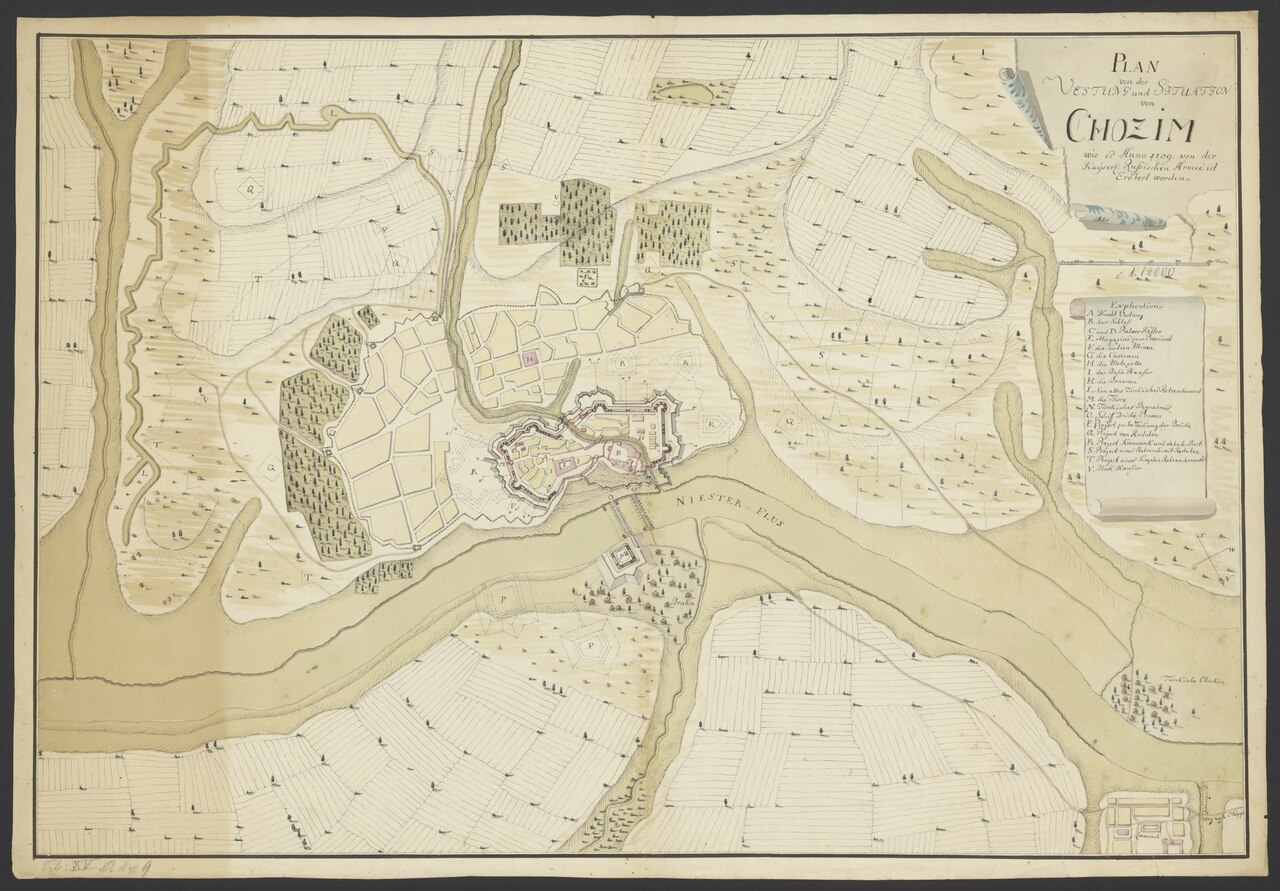
Before 1538: The river, trade, and a Moldavian town
The crossing and fortress made Khotyn a market where traders and later Jewish families could build lives.
1538–1812: Frontier wars, markets, and a documented Jewish community
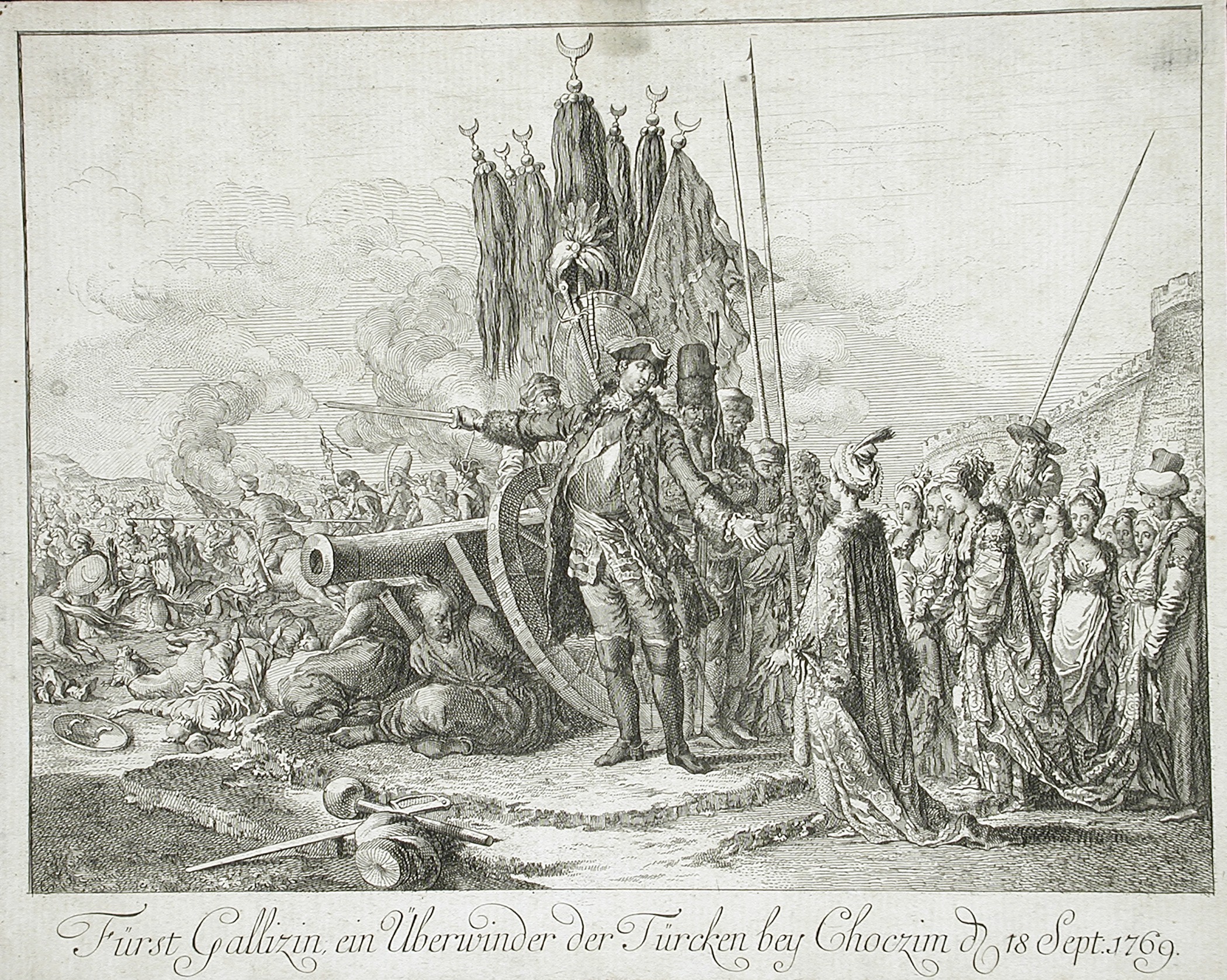
Ottoman influence, direct rule, and repeated wars reshaped the frontier. Eighteenth-century records name Jewish traders and taxpayers among the town’s residents.

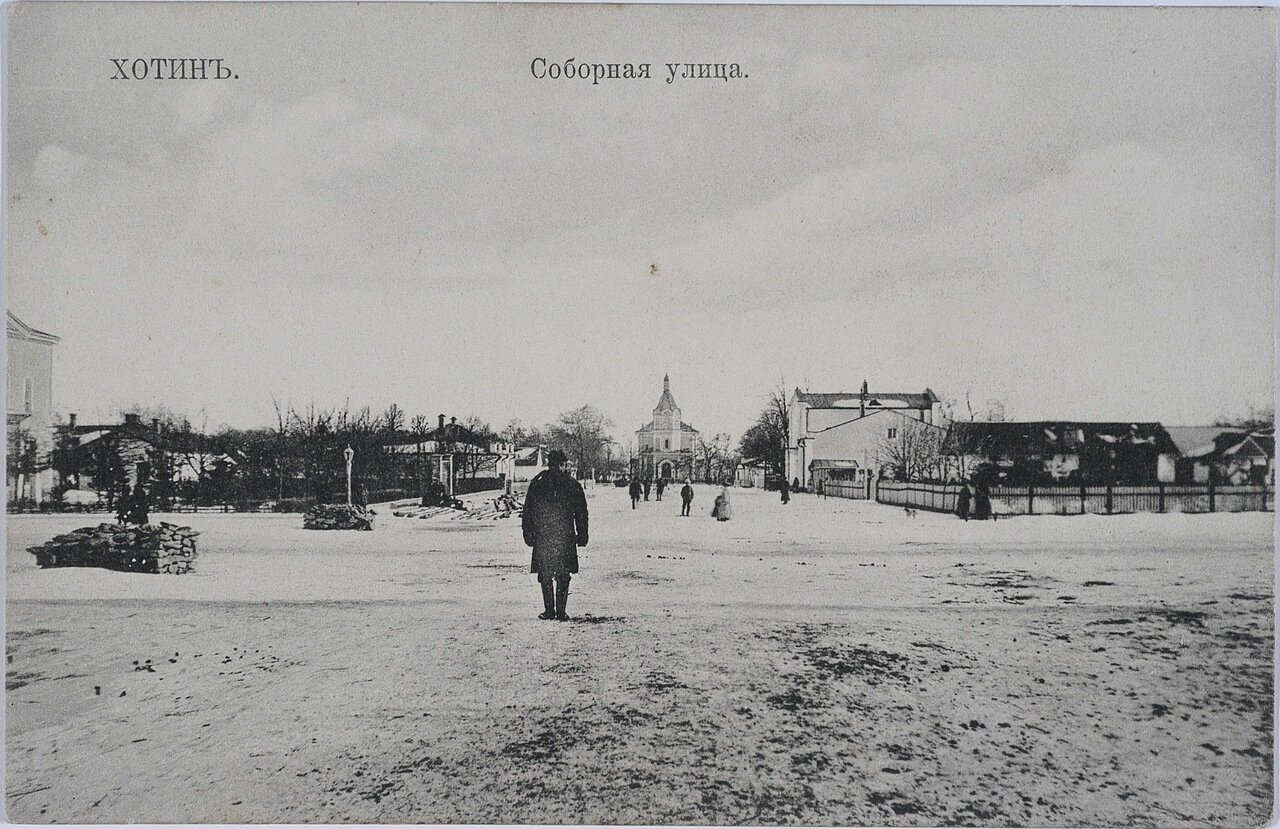
1812–1918: Jewish Khotyn under Russian rule
The Jewish community grew through family businesses, schools, congregations, and welfare, while changing rights and opportunities shaped residents’ choices.
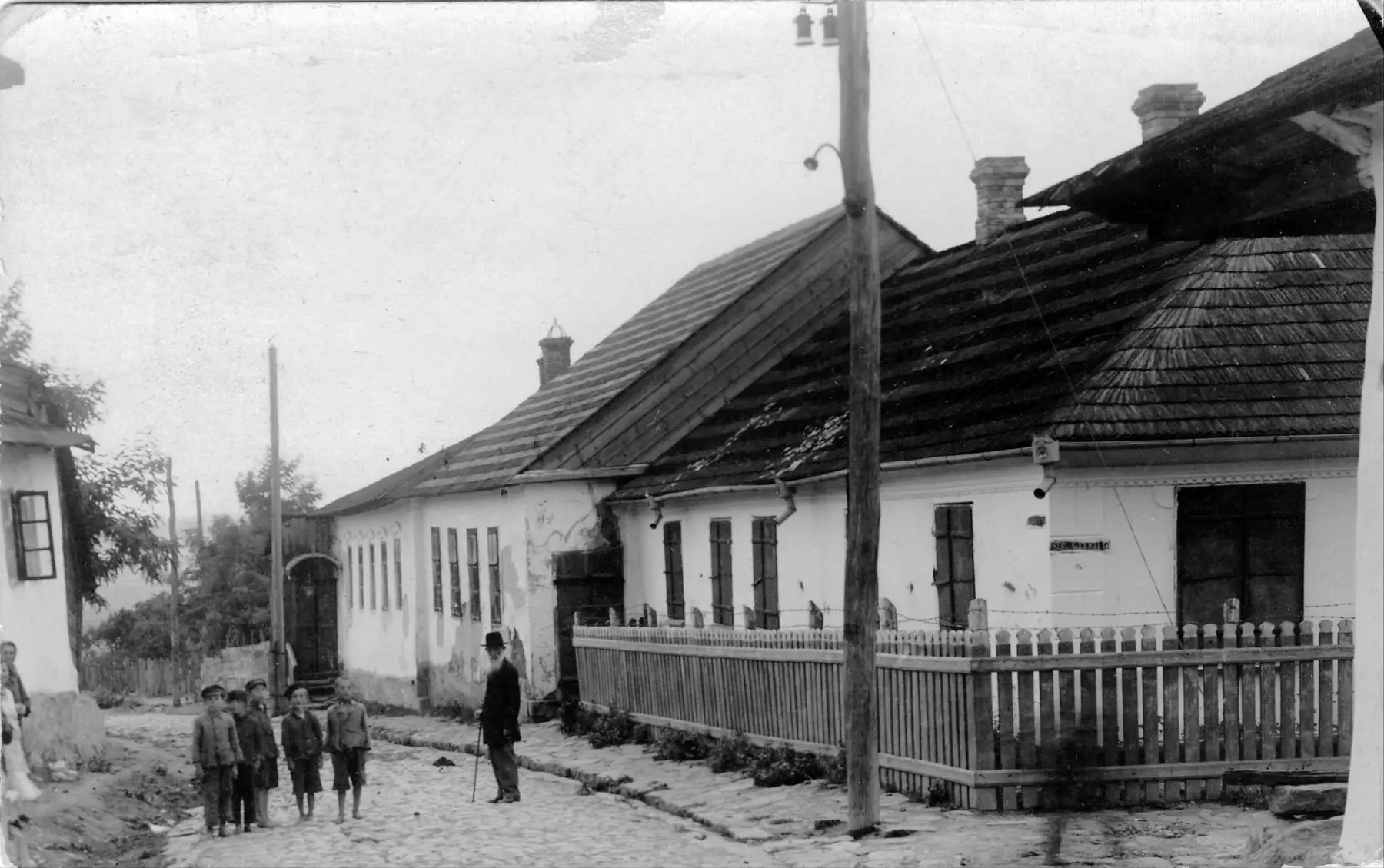
Related story: 1880–1914: Leaving Khotyn →
1918–1940: Khotyn under Romanian rule between community building and pressure
Romanian rule brought new borders and administrative requirements. Jewish institutions continued their work amid economic hardship and increasing antisemitism.
1940–1944: War and the Holocaust
Soviet annexation ended independent communal institutions. German and Romanian invasion brought killings, confinement, and deportation to Transnistria.
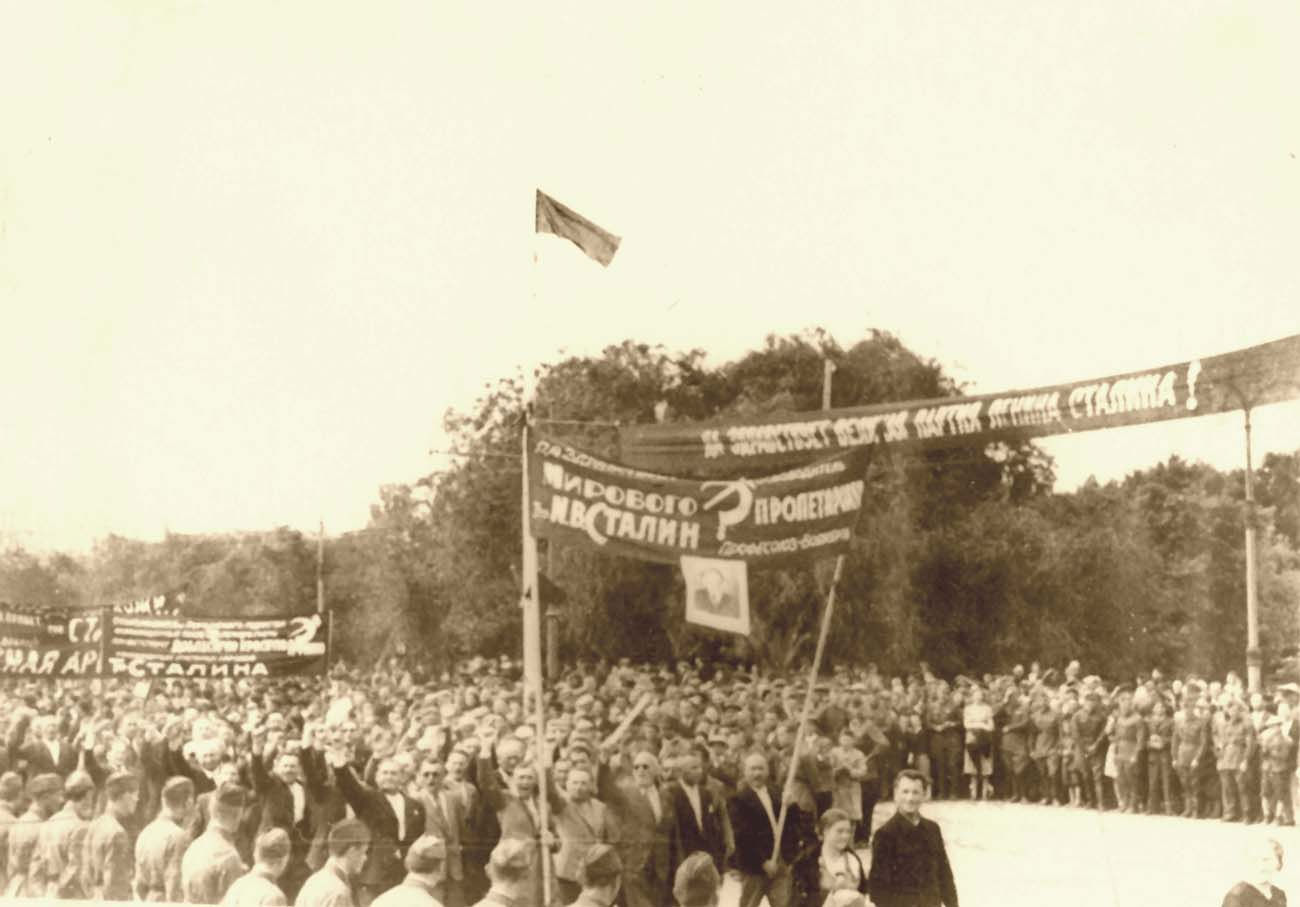

1944–1991: Soviet return, a remnant congregation, and emigration
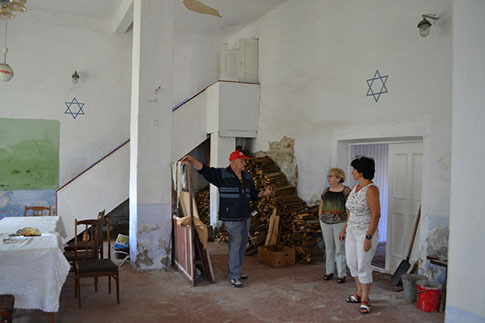
Survivors returned to a greatly diminished community. Jewish family and religious life continued under Soviet restrictions, while many residents eventually moved away.
1991–Present: Khotyn in independent Ukraine and the geography of memory
Independent Ukraine, cemetery documentation, family research, and photography have opened new ways to explore Khotyn’s Jewish past and surviving sites.
1538–1812
Ottoman–Polish–Moldavian Borderland
Explore →1812–1918
Jewish Khotyn under Russian rule
Explore →1918–1940
Khotyn under Romanian rule
Explore →1940–1944 War and the Holocaust Explore →1944–1991
Soviet & Postwar Khotyn
Explore →1991–Present
Independent Ukraine
Explore →Memories of Jewish Khotyn
The Khotyn Yizkor Book brings together recollections of the town, its institutions, and the people who lived there. JewishGen’s English contents page links to the available translations.
Sources for the History overview
- Ștefan Ciobanu, ed., Basarabia: Monografie Regională (Chișinău: Imprimeria Statului, 1926), pp. 195–199. Read source
- Iorga, Nicolae. Studii și documente cu privire la istoria românilor [Studies and documents concerning Romanian history], vol. VI, pt. II (Bucharest, 1904), p. 381, nos. 1292–1293: order of 29 July 1742 concerning Jewish merchants Avram and Boroh of the Hotin raya. Read source
- Dmitriev, P. G., and P. V. Sovetov, eds., Moldova în epoca feudalismului [Moldavia in the feudal era], vol. VII, pts. I–II: Recensămintele populației Moldovei din anii 1772–1773 și 1774 [Censuses of the population of Moldavia in 1772–1773 and 1774] (Chișinău: Știința, 1975), Hotin Jewish fiscal/household list; Genealogica digital edition. Read source
- Mutlu, Emre. “Migration on the Last Frontier: Migration Movements in Late 18th-Century Khotyn.” Codrul Cosminului [The Forest of Cosmin] XXXI (2025): 321–344. Read source
- Svinin, Pavel P. “Письмо к брату моему — из Хотина” (Pis’mo k bratu moemu — iz Khotina) [Letter to my brother from Khotyn]. Сын Отечества (Syn Otechestva) [Son of the Fatherland] 31, no. 30 (1816): 140–149.
- Gottlober, Avraham Ber. “מסע ברוסיה החדשה” (Masa be-Rusya ha-Hadasha) [Journey in New Russia]. 1864. Reprinted in זכרונות ומסעות (Zikhronot u-masa’ot [Memoirs and travels]). Jerusalem: Bialik Institute, 1976. Read digitized text.
- Russian Empire. Первая всеобщая перепись населения Российской империи 1897 г. (Pervaia vseobshchaia perepis’ naseleniia Rossiiskoi imperii 1897 g.) [First General Census of the Russian Empire, 1897], Bessarabia/Khotin town tables.
- Ancel, Jean, and Theodore Lavi, eds. “חוטין” (Ḥoṭin) [Khotyn]. In פנקס הקהילות: רומניה (Pinkas ha-kehilot: Romanyah [Encyclopedia of Jewish Communities: Romania]), vol. 2, 353–57. Jerusalem: Yad Vashem, 1980. Read English translation.
- Shlomo Shitnovitzer, ed., ספר קהילת חוטין (בסרביה) (Sefer kehilat Ḥoṭin (Besarabyah)) [Book of the Khotyn Community (Bessarabia)] (Tel Aviv, 1974), communal records and institutions, pp. 131–145; linked through the JewishGen Yizkor Book Project. Read translation
- International Commission on the Holocaust in Romania. Final Report, ed. Tuvia Friling, Radu Ioanid, and Mihail E. Ionescu (Iași: Polirom, 2004), especially the Bessarabia, Bukovina, and Transnistria chapters. Read source
- Soviet Council for Religious Cults. Ukrainian SSR reports on registered synagogues and religious communities, 1952–1953. Central State Archives of Supreme Bodies of Power and Government of Ukraine (TsDAVO), fond 4648; digitized by J-Doc, item 990 and related Chernivtsi Oblast reports. Read source
- Electronic Jewish Encyclopedia. “Хотин” (Khotin) [Khotyn]. Read source
- JewishGen Bessarabia Research Division. “Khotin Jewish Cemetery” project. Photographed and indexed July 2010; 2,693 burial records and 2,693 photographs uploaded to JOWBR. Read source
See the Sources & Bibliography for publication details, original-language titles, and image credits.