
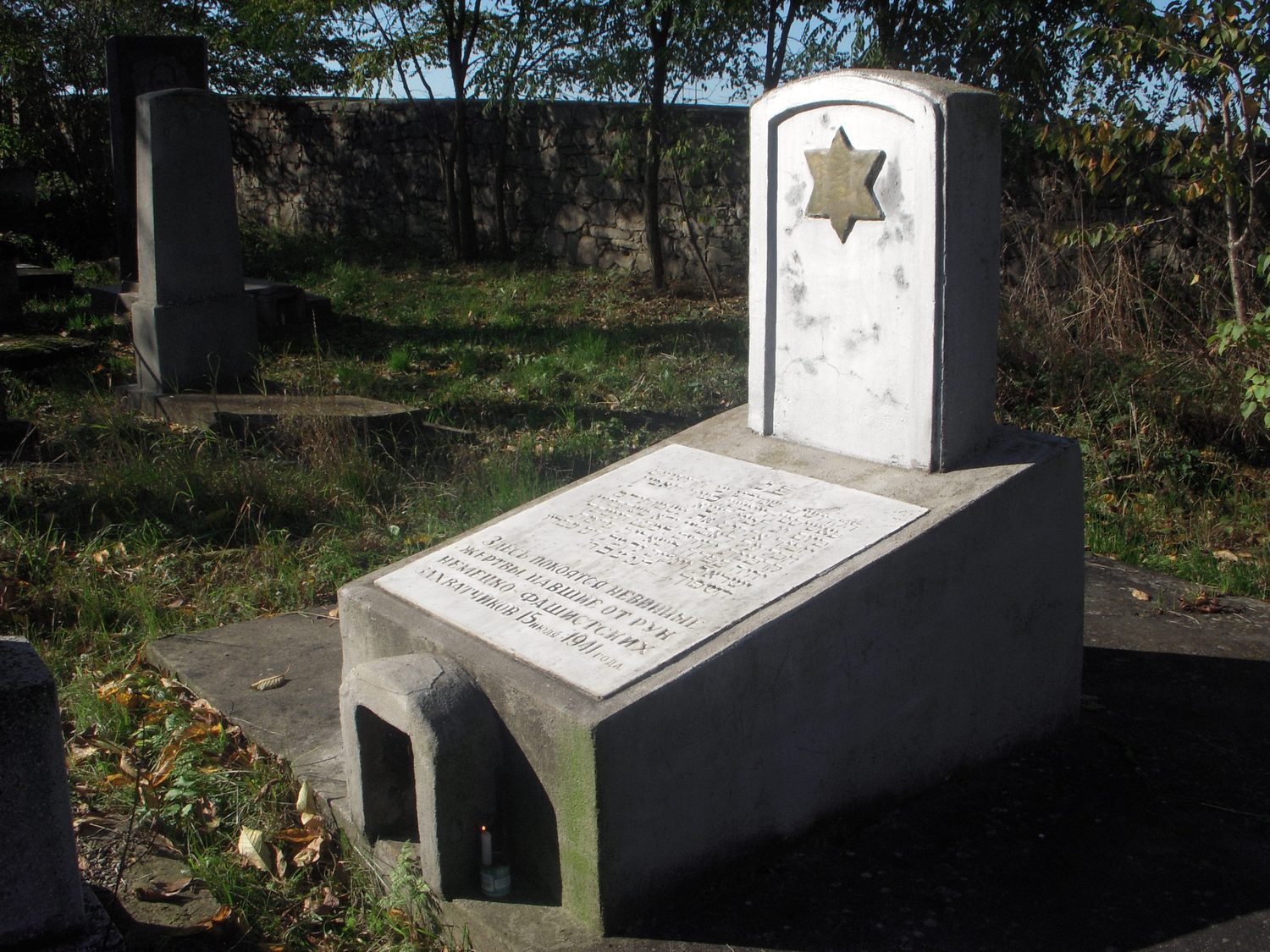
The surviving Jewish cemetery
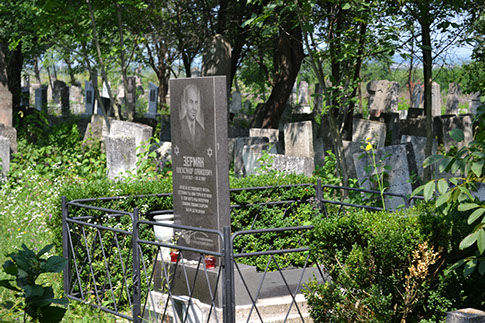
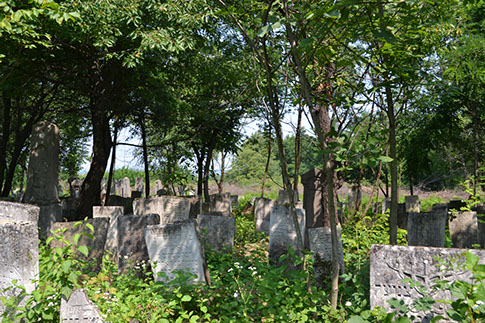
The cemetery preserves graves from the nineteenth century through the Soviet and Ukrainian periods. ESJF’s survey records stones dating from the 1820s onward. Inscriptions and burial photographs help descendants recover names and family relationships.
2,693 burials photographed and indexed in 2010
JewishGen’s July 2010 project indexed 2,693 burials with photographs. A separate ESJF survey estimates approximately 3,000 surviving gravestones. The figures describe different projects and should not be treated as a count of missing records.
Search JOWBR burial records or read about the Khotyn cemetery project.
The old and surviving cemeteries
The memorial book remembers an older cemetery, dating to about 1800, that had ceased to be used for burials. Families still visited ancestors’ graves there before the High Holidays. A newer cemetery, three kilometers from the synagogue according to the memoir, was administered by the Jewish community. Its burial society cared for the grounds, gravestones, and inscriptions and made allowances for families who could not afford a burial plot.
In 1932, the community purchased land to expand the cemetery. A contemporary account also records a new fence and the numbering of historically significant older gravestones. These accounts describe distinct phases of local burial history; the location and surviving fabric of the older cemetery merit further documentation.
A Khotyn gravestone in communal memory
The memorial book recalls that Avrom Derzhi’s family had a wine barrel carved on his stone to mark his trade as a wine merchant. The community objected and ordered the carving removed. This recollection records a local discussion about how a person should be remembered in the cemetery, rather than a general rule about Jewish gravestone symbols.
For guidance on inscriptions, Hebrew dates, and common symbols, see JewishGen’s How to Read a Hebrew Tombstone.
Wartime damage and remembrance
The community memorial book reports damage to Khotyn’s cemeteries during the Second World War and the reuse of gravestones for a monument. Its account needs to be read alongside the surviving stones documented in later cemetery surveys. Photographs of memorial markers in the gallery show how the town remembers Holocaust victims. For many people murdered in Khotyn or during deportation to Transnistria, surviving burial records cannot provide an individual grave; names may instead be found in testimony and victim databases.
The surveyed cemetery today
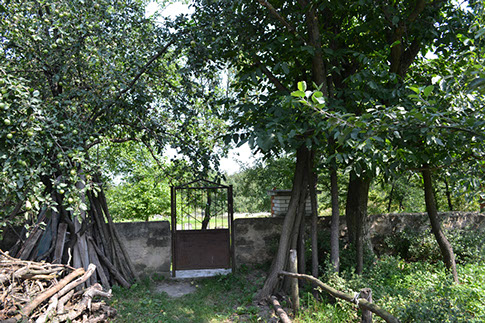
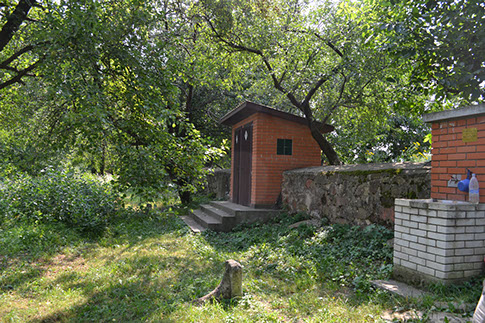
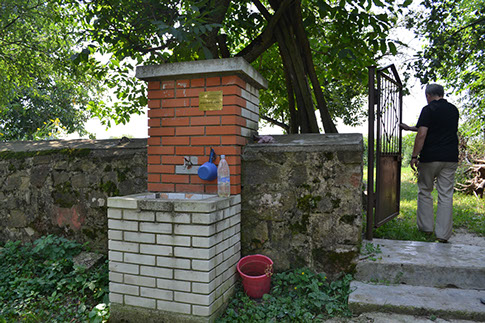
ESJF locates the cemetery adjacent to 3 Tychyny Street, at approximately 48.52322, 26.46852. Its survey records a stone fence, an ohel (a structure over a grave), and an administration building. The photographs on this page were taken by Anna Royzner in 2013.
View the ESJF survey and Center for Jewish Art documentation. Consult those projects and local contacts for updated conditions and access.
Sources for the Jewish cemetery of Khotyn
- JewishGen Bessarabia Research Division. “Khotin Jewish Cemetery” project. Photographed and indexed July 2010; 2,693 burial records and 2,693 photographs uploaded to JOWBR. Read source
- JewishGen. JewishGen Online Worldwide Burial Registry (JOWBR). Search Khotin/Khotyn burial records and photographs. View database
- European Jewish Cemeteries Initiative (ESJF). “Khotyn Jewish Cemetery.” Survey: site adjacent to 3 Tychyny Street, Khotyn, Chernivtsi Oblast, Ukraine; coordinates 48.52322, 26.46852; perimeter 1,120 m; approximately 3,000 extant gravestones; stone fence, ohel, and administration building recorded. Direct survey.
- Center for Jewish Art, Hebrew University of Jerusalem. Khotyn Jewish cemetery documentation. Read source
- Shlomo Shitnovitzer, ed., ספר קהילת חוטין (בסרביה) (Sefer kehilat Ḥoṭin (Besarabyah)) [Book of the Khotyn Community (Bessarabia)] (Tel Aviv, 1974), communal records and institutions, pp. 131–145; linked through the JewishGen Yizkor Book Project. Read translation
- Yad Vashem. Central Database of Shoah Victims’ Names and document/testimony collections; search Khotin/Hotin/Khotyn and variants. Read source
- My Shtetl / JewUA. “Jewish Khotyn.” Modern heritage photographs, synagogue and cemetery context, and local historical compilation. Read source
Notes on sources
The indexed burial total and estimated gravestone count measure different things. Survey observations describe the site at the time recorded. Grave symbols are best interpreted together with their inscriptions.
See the Sources & Bibliography for publication details, original-language titles, and image credits.