History · 1867–1914
Late Habsburg Galicia
Civil equality opened new paths in property, education, professions and politics while Hasidism, traditional institutions and the market town remained central to Jewish life.
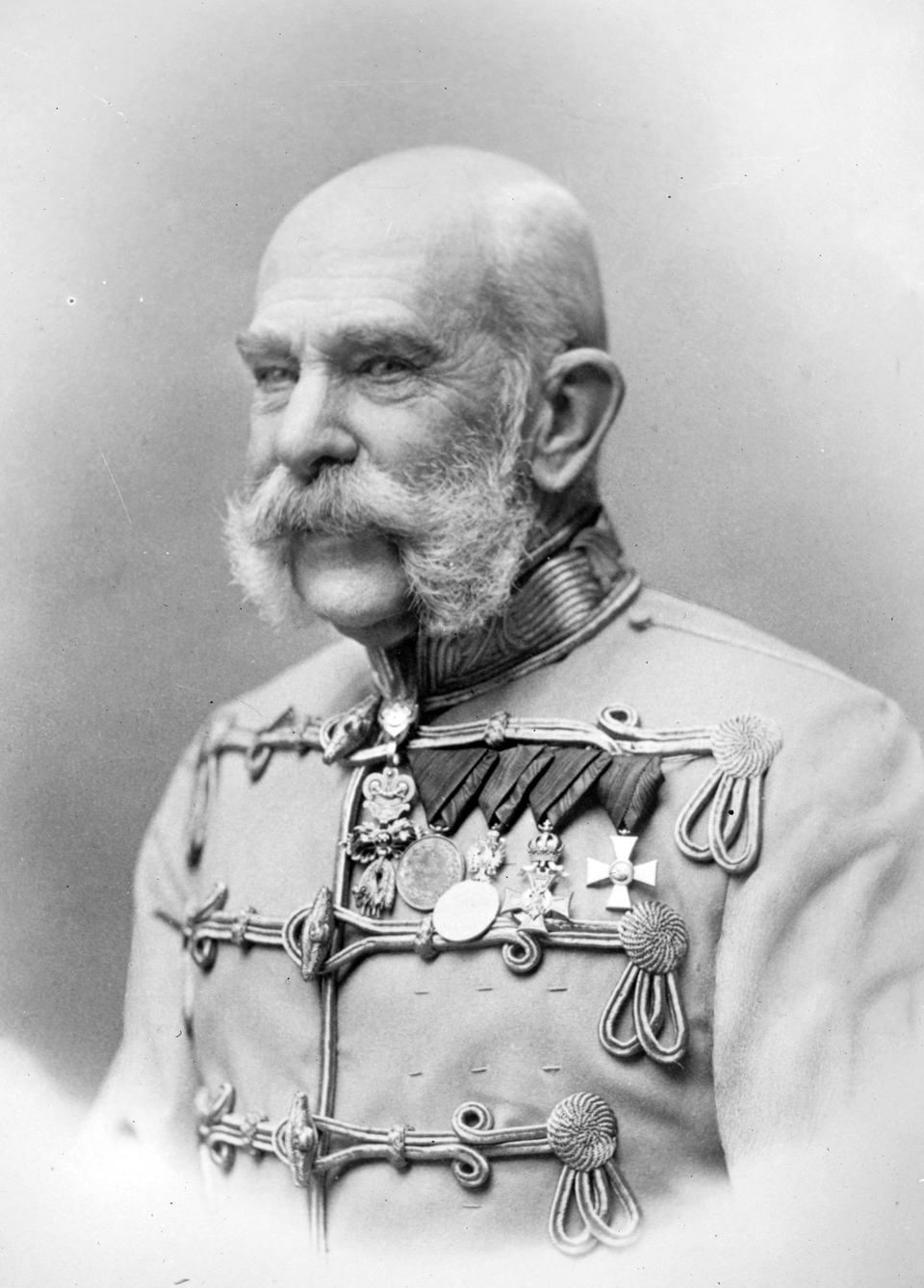
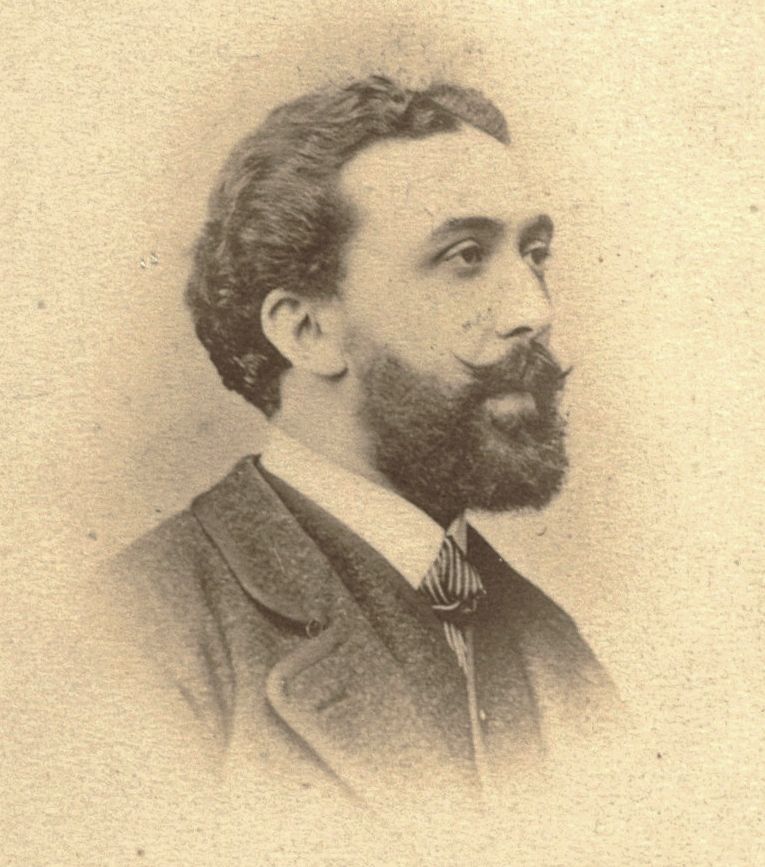
Citizens of Austria-Hungary
After 1867, Jews in Galicia possessed formal civil equality. They could own property, enter professions, attend universities, move through the monarchy and participate in municipal and parliamentary politics. In everyday life, legal equality did not erase poverty, social prejudice or antisemitic politics, but it created possibilities that had been unavailable under the older regime.
Galicia also gained substantial provincial autonomy under Polish political leadership. Tarnobrzeg's Jews therefore lived simultaneously as residents of a Polish-administered Galician province and as subjects of the multinational Habsburg monarchy. German, Polish, Yiddish and Hebrew all had different places in education, administration, commerce, religion and political life.1
A heavily Jewish market town
By the turn of the twentieth century Jewish residents formed a large share of Tarnobrzeg's population and were central to the commercial life of the town. Shops and stalls surrounded the market; Jewish merchants traded with the countryside; artisans, professionals, and small businesses served both Jewish and Christian customers. Synagogues, study houses, charities and schools were part of the same urban landscape.
The memorial book describes a town in which Jewish economic life was particularly visible on market days and in the streets around the center. It also records substantial poverty. A community could be commercially prominent without being uniformly prosperous.
Dzików Hasidism
During the nineteenth century Dzików became known far beyond Tarnobrzeg through the Horowitz Hasidic dynasty. The court drew followers and visitors, while local Jewish religious life also included communal rabbis, dayanim, teachers, study houses and ordinary household observance. The Hasidic court was therefore an important institution within the community, not a substitute for the community itself.
The fame of the dynasty gave the name “Dzików” a second geography. Jews who had never visited the Tarnowski estate knew Dzików as the name of a Hasidic lineage and religious tradition. Explore Rabbis & Dzików Hasidism →
Schools, politics, and new identities
Emancipation made new educational and political choices possible. Across Galicia, Jewish students entered state schools and universities in larger numbers, while political movements debated whether Jews should identify primarily through religion, Polish culture, German culture, or Jewish nationality. Zionism, Jewish nationalism, socialism and Orthodox political organization all developed within the late Habsburg world.
Tarnobrzeg was smaller than Lwów or Kraków, but it was not isolated from those currents. The memorial book's later recollections of Zionist and Orthodox organizations grew out of networks already developing before the First World War.
Railways, migration, and a wider world
Improved roads and railway connections drew Tarnobrzeg more tightly into Galician and imperial networks. Residents could travel more easily to Kraków, Lwów, Vienna and other cities, while emigration connected local families to the United States and other overseas destinations.
Paperwork followed mobility. A surviving birth record for Markus (Mordko) Wolf, born in Tarnobrzeg in 1904, was copied and officially certified in 1920 when he was preparing to leave for America. The document is a small example of how a record created under Habsburg rule could acquire a second life in the migration era that followed. View the birth document →
Sources cited on this page
- Joshua Shanes, Diaspora Nationalism and Jewish Identity in Habsburg Galicia; Piotr Wróbel, “The Jews of Galicia under Austrian-Polish Rule, 1869–1918.”
- Kehilat Tarnobrzeg-Dzikow (1973), especially pp. 19–29, 37–48 and 153–161.
- Tarnobrzeg municipal population and movement records; Markus/Mordko Wolf birth certificate, 1904 / certified copy 1920, hosted on this site.