History · 1772–1848
Early Austrian Galicia
A new imperial state brought more intrusive regulation of names, marriage, schooling, property and military service while the Tarnowski estate remained a powerful local institution.
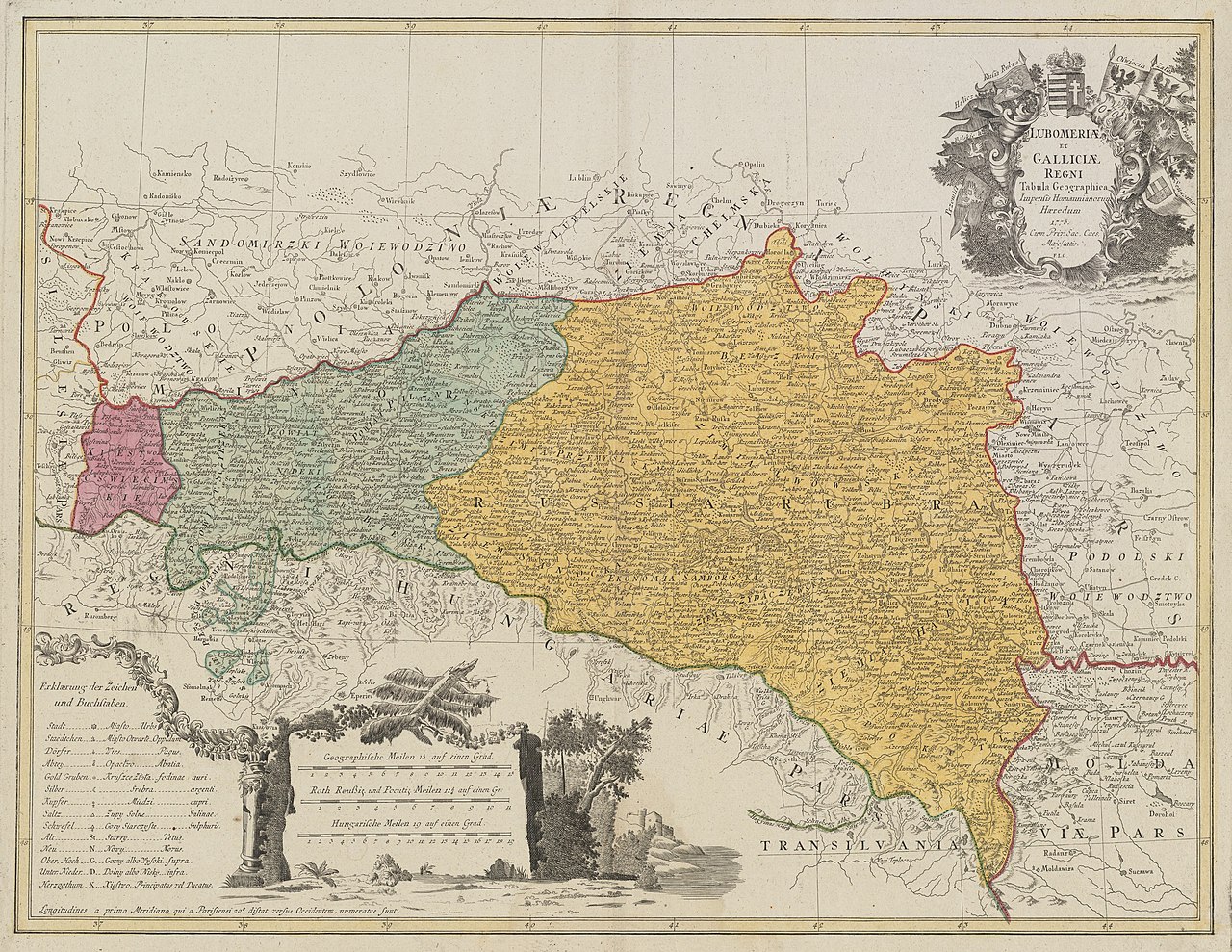
1772: Tarnobrzeg becomes Galician
The First Partition of the Polish–Lithuanian Commonwealth transferred Tarnobrzeg to the Habsburg monarchy. Vienna called its new acquisition the Kingdom of Galicia and Lodomeria. The name “Galicia” therefore refers here not to a modern Polish province but to a Habsburg crownland that stretched from the Kraków region deep into what is now western Ukraine.
The Tarnowski estate did not disappear. Markets, leases and long-established local relationships continued. But a new administrative layer now stood above them. Habsburg officials wanted to know who lived where, who owned which parcel, who owed taxes, who could marry and which men could be called into military service. Over the next decades, Jewish life became increasingly entangled with imperial paperwork.1
Joseph II: toleration, reform, and control
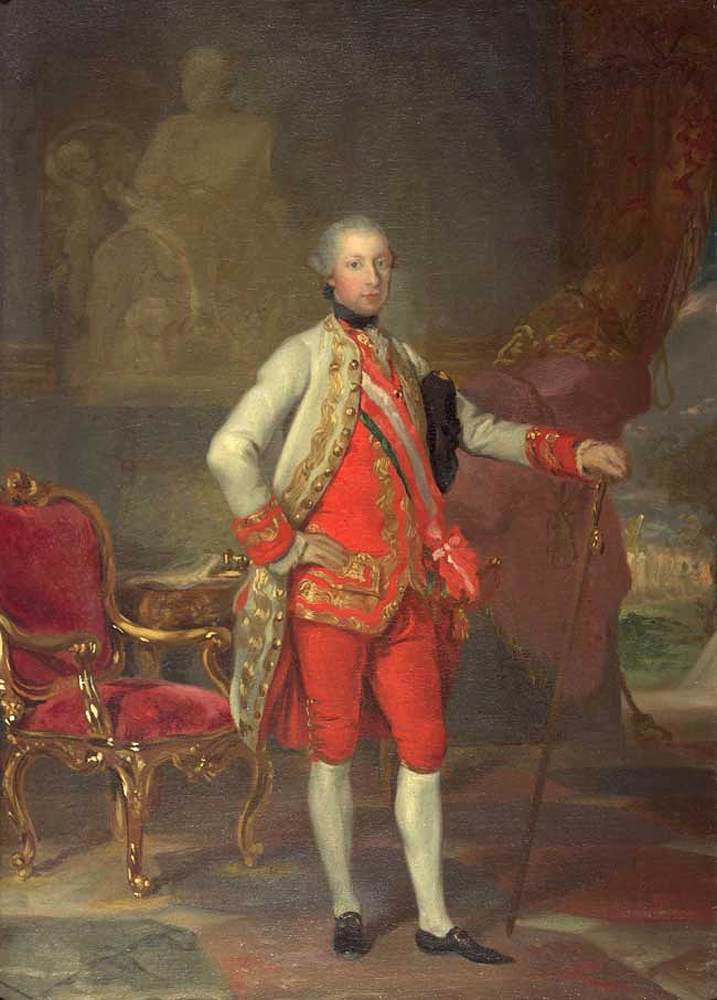
Joseph II's Jewish reforms are often described as “toleration,” but they were not emancipation. Their purpose was to turn Jews into more directly governed and economically useful subjects of the monarchy. The state sought to reduce the autonomous authority of Jewish communities, promote state-supervised education, regulate marriage, standardize names and draw Jewish men into military service. Some occupations and educational opportunities widened, while special taxes and other restrictions remained.
The result was both opening and coercion. A Jewish family could gain access to new schools or professions while simultaneously losing control over matters previously handled within the community. The government increasingly expected Jewish subjects to fit the administrative categories of the state.2
Land, houses, and the measured town
The Habsburg state also transformed the physical record of Tarnobrzeg. Josephine and later Franciscan cadastral surveys measured land, buildings, and taxable property. These surveys did not create the town's social geography, but they fixed it on paper in unprecedented detail: parcels, roads, fields, houses and owners became elements of an imperial administrative map.
At the same time, older estate relationships continued. Propinacja records from 1779, 1816, and 1822 show Jewish participation in the alcohol-leasing economy, while the 1791 town inventory places Jewish and Christian householders within the same market town. Habsburg rule therefore layered a new bureaucracy over older Tarnowski institutions rather than replacing them all at once.
Haskalah, Hasidism, and competing futures
The early Habsburg period also coincided with major changes inside Jewish society. The Haskalah, or Jewish Enlightenment, encouraged broader secular learning, new languages and engagement with European culture. At the same time, Hasidism spread rapidly through Galicia. The two currents did not divide every community neatly into camps, but they represented sharply different answers to questions of education, authority and Jewish life in a changing world.
There is not yet evidence for a distinct Tarnobrzeg Haskalah circle in this early period. The broader Galician debate nevertheless formed part of the world in which local Jews lived, particularly as state schools and new administrative demands placed language and education at the center of Jewish public life.
On the eve of 1848
By the 1840s the old estate order and the Habsburg reform state existed side by side. Peasants still owed feudal labor to noble estates, while Jews lived under a mixture of inherited restrictions and newer imperial regulation. Economic change, population growth, and liberal political ideas placed both systems under increasing pressure. The revolutions of 1848 would abolish serfdom and open a new phase in the struggle over Jewish civil equality.
Sources cited on this page
- YIVO Encyclopedia, “Galicia”; Joshua Shanes, Diaspora Nationalism and Jewish Identity in Habsburg Galicia, ch. 1.
- Michael K. Silber, scholarship on Josephinian reform and Habsburg Jewry; YIVO Encyclopedia, “Haskalah.”
- Local sources: 1779–1822 propinacja material, 1791 inventory, Josephine and Franciscan cadastral records.