
Moldova

OTHER NAMES: Leova [Rom, Mold, Yid], леово (Leovo) [Rus], Leowa [Ger], Leowo [Pol], Leva, Levo
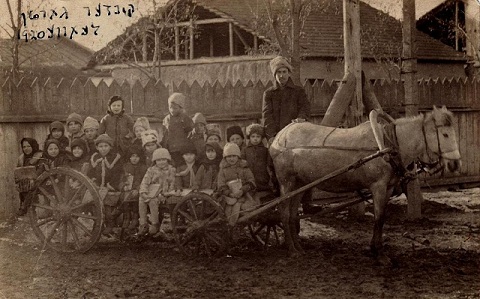
cart with a man near a wooden fence (Leova, 1920)
(Written in Yiddish) "This is how Shaye used to bring the children to kindergarten."
Photo provided by YIVO Institute for Jewish Research, New York, NY. All rights reserved.
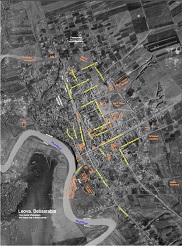
LEOVA MAPS, GEOGRAPHY, & PROPERTY RECORDS

|
The river and the rail are the only two modes of safe travel and conveyance in this part of Romania. In fact the road... does not exist! There is but a simple dirt track through the vast steppe of corn and wheat, which is difficult to discern when no other travelers are upon it. The trace of a previous vehicle is recognizable as deep ruts left in the mud as there is no paving. Trajan, alas! and not Julius Caesar, conquered Dacia. These dirt tracks crossing marshes and meadows are washed away with the slightest rain. The roads must constantly be repaired. Wide and shallow ditches are dug on either side of the dirt tracks to provide more dirt to repair the roads. However, the rain can turn these ditches into lakes, worsening the ability to travel by road. When it’s dry one travels amidst a cloud of dust, when it rains the car gets stuck in the mud up to the bumper. Like a caravan trail in the middle of the Sahara, the Bessarabian road is dotted with dead horses and sheep, which decay in the hot July sun. To travel by car is folly ten months out of the year...
...The streets are like the roads, mere paths, badly defined, either flooded or full of dust. The ground, fortunately, has a slope and is quite permeable. Water is quickly absorbed and the fetid puddles that form when it rains do not remain for long. A task of modernization has been undertaken in recent years. Sidewalks were constructed on the main street and acacia trees were planted. Unfortunately, this concern did not extend to the street surface itself, which has not improved. The street is a common grazing area for geese and pigs that wallow at ease and for large bands of crows from the steppe that fill the air with their mournful cries. No sewers, no gutters. On a rainy day, a large stream zigzags down the middle of the street and one must protect one’s feet with rubber galoshes, that is if one dares to leave the house at all.... ...Horse-drawn carriages are the vehicle of choice in Leova, which boasts only four cars! Even the bicycle is rarely seen. The typical peasant conveyance is a rectangular box of sorts, mounted on four wheels and drawn by two or three horses.
- Michel Roblin, A Town in Eastern Europe: Leova (Bessarabia), 1935
|
- Leova Port Map (1932): Description | 1932 Port Map (1.3 MB) - Special thanks to Mrs. Yocheved Klausner for her assistance in translating this document.
- Leova City Map (1935) (304 KB)
- Leova City Map (June 6, 1941) (3.2 MB) - This map was drafted by Otto Volf, a German Jew from Leova. In 1940 Otto and his family joined an estimated 93,000 German colonists who were evacuated from Bessarabia to repatriation camps in German held territory. Shortly after the Wolff family arrived at the repatriation camp in Reid im Innkreis, Austria, Otto was taken away from his family and forced to draw this map. Hear the whole story from Otto's son
- Leova City Map (November 20, 1941) (4.6 MB) - Professionally drawn map of Leova from the Moldovan State Archives.
- Leova City Map (1965) (1.2 MB) - This map shows some of the Soviet street names that were used between the end of WWII and 1991, when the Soviet Union collapsed and Moldova declared independence.
- Leova City Map (2004) (163 KB) -This map shows the street names that have been used from 1991 to present. Though the names are again Romanian, only a few streets were reassigned their pre WWII names.
- Aerial Photo comparison - Leova 1944 and 2009 (1.4 MB)
- List property in Leova owned by Jews (with street addresses) : Original Romanian (1.0 MB) | English Translation (29 KB) - About one year after the Germans and Romanians invaded Russia, the Romanian administration that governed the town of Leova, put together the following report of how they were exploiting the real estate properties owned by citizens collectively defined as "evacuated". The term "evacuated" refers not only to Jews who either fled or were victims of the Holocaust, but also to Leova residents of German heritage who were voluntarily evacuated between September and November of 1940, and to those who were deported to Siberia and Central Asia by the Soviet authorities in 1940-1941. This report, dated July 31, 1942, lists the name of the former owners of the each real estate property, the street address, the name of the new tenant and the annual rent the new tenant was paying.
LEOVA BEFORE WORLD WAR II
Literature about Leova pre-World War II
A Town in Eastern Europe: Leova (Bessarabia): Original French (3.7 MB) | English Translation (1.4 MB)In April 1935, French geographer Michel Roblin published a detailed description of Leova in La Géographie Magazine. His account provides a rare contemporary outsider's view of the town just six years before the Holocaust. Roblin describes Leova's streets, transportation, port, economy, buildings, surrounding countryside, and everyday conditions.
For descendants of Leova families, the value of this account is that it describes the town while the prewar Jewish community was still alive, rather than reconstructing it from later memories.
Our House in Leova: Original Yiddish (750 KB) | English Translation (1.2 MB)
Jacob Baltzan was born in Leova in 1872 and lived there until 1904. His memoir provides a personal, family-level view of Leova at the end of the nineteenth and beginning of the twentieth centuries. Unlike official records, Baltzan's recollections describe Leova through the experiences of someone who actually lived there—its homes, people, customs, and Jewish community.The memoir is particularly valuable because it preserves details of Jewish life that are rarely recorded in government documents.
Travels in the Three Great Empires of Austria, Russia, and Turkey:Long before Leova became part of modern Moldova, the town occupied an important position along the Prut River and the border of the Russian Empire. In 1839, British traveler C.B. Elliot passed through the Leova border crossing during his journey through Moldavia and Bessarabia. These chapters provide an unusually early description of Leova and its surrounding region, offering a glimpse of the town more than a century before the Holocaust.
Genealogical Resources
|
|
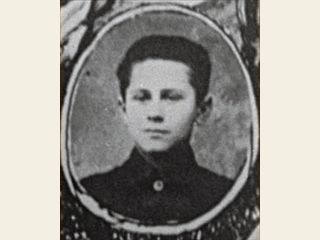
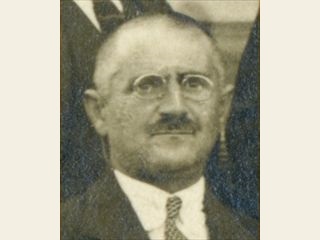
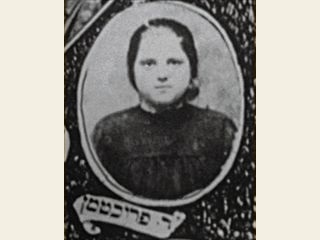
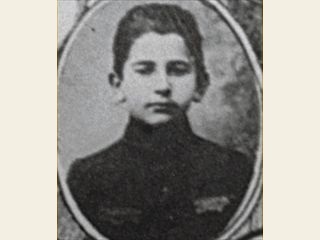
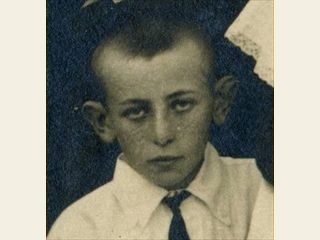
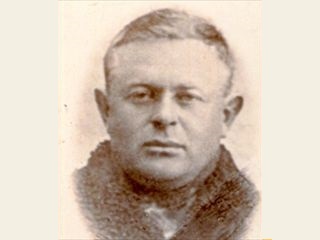
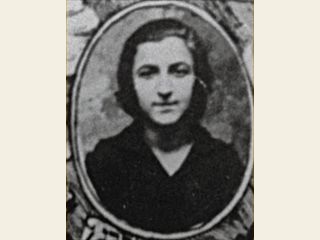
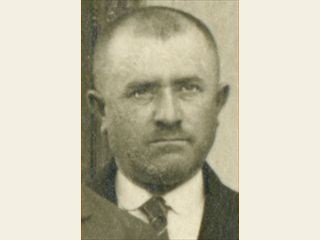
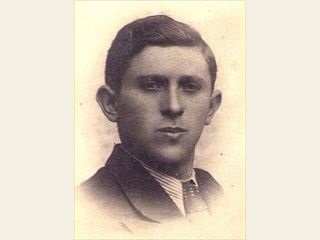
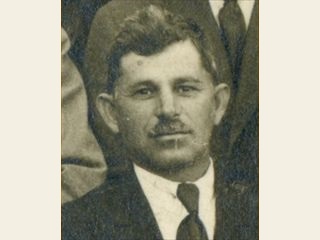
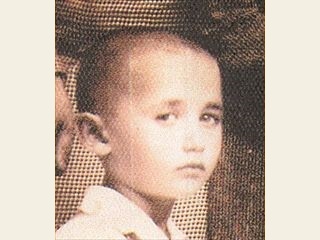
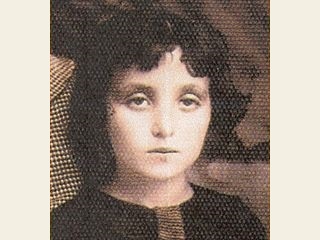
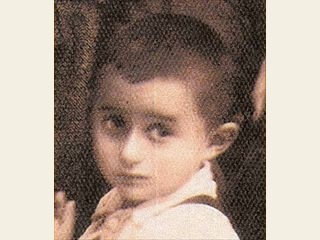
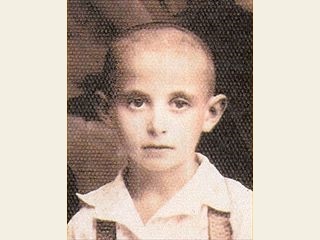
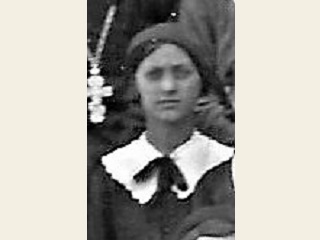

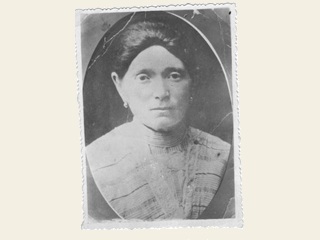
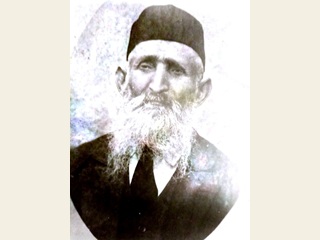
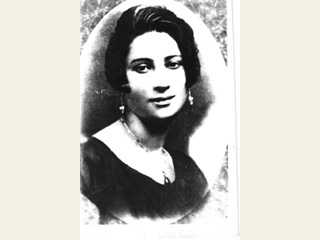
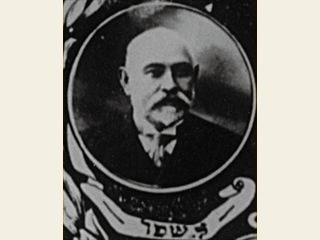
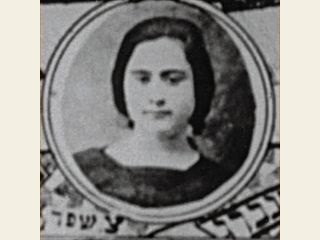
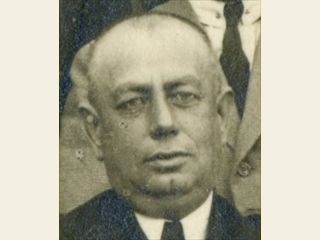
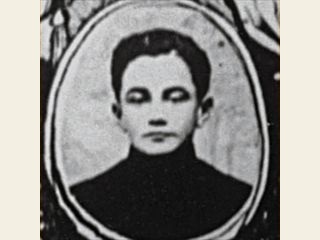
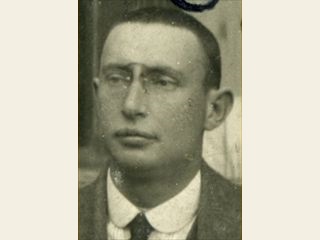
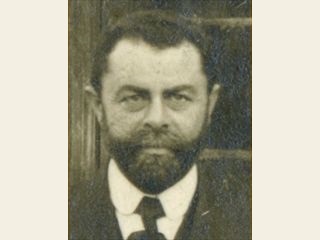
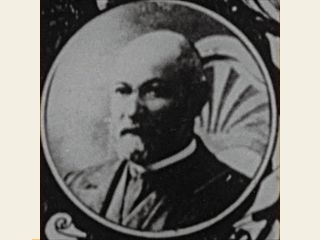
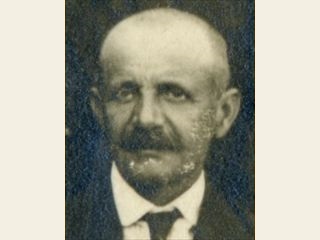


Additional Information about life in Leova
TESTIMONIES OF LEOVA HOLOCAUST SURVIVORS AND WITNESSES
Survivor Testimonies
Yevdokiya Savelievna Lipovich (AKA Shifra Barash) was nine years old when she and her younger sister Mina were interned in the Cahul Transit Camp. Of the approximately 525 Jews held in the camp, Shifra and Mina are the only two known survivors. Their survival was made possible when two local women, Vera Fedorovna Visokos and Lidiya Fedorovna Babienko, rescued the sisters and concealed their Jewish identities. Lipovich’s testimony recounts the family’s life in Leova, their capture and deportation, the horrific conditions in Cahul and during the subsequent forced march to Transnistria, and the events that led to the sisters’ rescue.
 |
Original Russian (3.0 MB) | English Translation (1.4 MB) |
Zelig Leshem (AKA Zelig Ungar) recalls his childhood and family life in Leova and the extraordinary journey that enabled him and his family to survive the Holocaust as refugees in Tashkent, Uzbekistan. His testimony documents the route they took from Leova to Tashkent, the places they passed through, and the experiences of the family along the way. It therefore provides valuable personal context for the broader record of Leova Jews who fled eastward ahead of the advancing German and Romanian armies.
 |
Zelig Leshem (01:08:32) |
Zilja Feldhammer née Schaffer, born in Leova in 1910, describes her life before the Holocaust and the persecution that followed the German-Romanian invasion. Her testimony traces her experiences in the Kopaigorod ghetto and in the Mogilev-Podolsky and Ediniti camps, including forced marches and imprisonment, until liberation by Soviet forces.
 |
Zilja Feldhammer - Part 1 of 8 (00:28:07) Zilja Feldhammer - Part 3 of 8 (00:27:19) Zilja Feldhammer - Part 5 of 8 (00:29:09) Zilja Feldhammer - Part 7 of 8 (00:29:00) |
Zilja Feldhammer - Part 2 of 8 (00:31:45) Zilja Feldhammer - Part 4 of 8 (00:27:46) Zilja Feldhammer - Part 6 of 8 (00:29:01) Zilja Feldhammer - Part 8 of 8 (00:15:19) |
Pavel Volf belonged to one of Leova's small ethnic-German families, but, as he explains in his testimony, his family was Jewish. His account provides a distinctive perspective on the wartime upheaval in Bessarabia: the evacuation of the ethnic-German population in 1940, the difficult conditions encountered during resettlement, and the family's experiences in repatriation camps in German- and Austrian-controlled territory.
 |
Pavel Volf - Part 1 of 3 (00:52:56) Pavel Volf - Part 3 of 3 (01:14:09) |
Pavel Volf - Part 2 of 3 (00:24:15) |
Aron Aronovich was born in Leova in 1932 and was still a child when the Holocaust reached his hometown. His testimony recounts persecution, forced marches, hiding, and his experiences in the Mogilev-Podolsky ghetto, where he was ultimately liberated by Soviet forces. His recollections provide the perspective of a child who survived the destruction of Leova's Jewish community.
 |
Aron Aronovich - Part 1 of 2 (00:27:56) | Aron Aronovich - Part 2 of 2 (00:24:32) |
Witness Testimonies
Gheorghe Ghenea a resident of the nearby village of Cazangic, witnessed the persecution and murder of Jews during the Romanian occupation in 1941. He recalls the removal of a Jewish family from the village, the killing of members of the family in nearby Sărăteni, and other acts of violence and dispossession. His testimony also describes how local people responded to these crimes and what happened to Jewish property left behind.
 |
Gheorghe Ghenea (00:31:45) |
Alexandra Sestovskaia, from the nearby village of Sărăteni, recalls events she experienced during the Second World War. Her testimony contributes the perspective of a local civilian witness to the persecution of Jews in the Leova region and helps document events that might otherwise have remained known only through survivor accounts.
 |
Alexandra Sestovskaia (00:20:54) |
LEOVA AND WORLD WAR II: THE FATE OF ITS PEOPLE
Victims of Soviet Deportation, 1940-1941
The List of People from Leova Persecuted by the Soviet Regime: Original Romanian (3.4 MB) | English Translation (27 KB)Between June 1940 and June 1941, Leova was under Soviet rule following the annexation of Bessarabia by the USSR. During this period, Soviet authorities arrested, deported, or otherwise persecuted residents regarded as political, social, or economic threats to the new regime.
This list records Leova residents persecuted during the Soviet occupation, including both Jews and non-Jews. It is an important reminder that the wartime history of Leova did not begin with the German invasion in June 1941; the community had already experienced a year of Soviet repression, deportation, and upheaval.
Flight East, 1941
Jews from Leova registered as refugees in Russia and Central Asia
When Germany invaded the Soviet Union in June 1941, thousands of people from Bessarabia fled eastward ahead of the advancing German and Romanian armies. Among them were hundreds of Jews from Leova who reached destinations in Russia and Central Asia.
This database identifies more than 450 Jews from Leova who were registered as refugees or evacuees in locations across the Soviet Union. The records include names, father's names, birth years, gender, and places of evacuation. Many of these people endured severe shortages, difficult working conditions, and displacement, but their flight east placed them beyond German control and, for many, meant the difference between survival and death.
The Leova list was reconstructed from records in the Yad Vashem Shoah Victims' Names Database. It is particularly valuable when cross-referenced with the military, Holocaust, and genealogical records elsewhere on this site.
Soviet Military Service, 1941-1945
Leova Residents Who Served in the Soviet Military
Not all Jews from Leova remained in the town when the German invasion began. Some fled eastward, while many young men were already serving in, or subsequently entered, the Soviet armed forces. These records provide another important wartime path taken by Leova residents.
The database contains 429 records of men and women born in Leova who served in the Soviet military during World War II, including both Jews and non-Jews. The records can provide information about military units, ranks, dates of service, awards, wounds, deaths, and other aspects of an individual's wartime experience.
Citizens of Leova that died during WWII while fighting Fascism
This memorial, erected in the center of Leova in 1970, commemorates residents of the town who died during World War II while serving in the Soviet military. The names provide an important local counterpart to the individual Soviet military records on this website.
Cross-referencing the memorial with the Pamyat-Naroda records can sometimes reveal additional information about a person's military unit, rank, service, or circumstances of death.
Lists of conscription-aged Jewish men from LeovaThese two lists were compiled by the Romanian authorities during the occupation and identify Jewish men of conscription age who appear to have been born around 1919 and 1922 respectively. The Romanian authorities recorded some men as "Disappeared." This designation does not necessarily mean that the person was dead; it indicates that the local authorities did not know his whereabouts.
When compared with the Soviet military and refugee records on this website, several of these men can be traced to service in the Soviet armed forces or evacuation to the Soviet interior. The list therefore provides an excellent starting point for reconstructing what happened to Leova's young men after the outbreak of war.
- Class of 1941: The men on this list appear to have been born around 1919.
- Class of 1944: The men on this list appear to have been born around 1922.
The Holocaust in Leova, 1941
The List of Jews from Leova Interned in Cahul Camp Original Romanian (7.5 MB) | English Translation (289 KB)Following the German and Romanian invasion of Bessarabia in June 1941, Jews who remained in Leova were subjected to mass persecution, murder, deportation, and forced marches. Many women, children, and elderly people were gathered into columns and transferred to Romanian-controlled transit camps.
This list identifies 389 Jews, most from Leova and nearby communities, who were interned in the Cahul Transit Camp. The document provides names that can be cross-referenced with survivor testimonies, refugee records, military records, and other sources on this site.
The list should not be interpreted as a complete list of Leova Holocaust victims; rather, it documents those who appear in this particular camp record.
The Testimony of Yevdokiya Savelievna Lipovich above provides a compelling account of Cahul Camp.
Soviet Extraordinary State Commission (SESC) Report Concerning the Massacres of the Jewish population of Leova Region by the FascistsAfter the Red Army returned to the region, the Soviet government established the Extraordinary State Commission to investigate crimes committed during the German occupation. Investigators gathered testimony from survivors, witnesses, and local residents concerning the persecution and murder of Jews in the Leova region.
This report is therefore both a historical source and a postwar record of survivor and witness testimony. It provides evidence concerning the destruction of the Jewish population, but—as with many wartime investigations—it should not be assumed to constitute a complete list of victims.
- Original SESC Summary Report: Original Russian (370 KB) | English Translation (32 KB)
- Abridged report with additional analysis: Original Russian (146 KB) | English Translation (12 KB)
- The List of Jews Persecuted from Leova in 1941: Original Russian (7.5 MB) | English Translation (101 KB)
The Forced Confession of Paulina (Perla) Merer, January 24, 1942 - Original Romanian (1 MB) | English Translation (0.1MB)This document is a coerced statement made by Paulina (Perla) Merer during the Romanian occupation. It should not be read as a voluntary confession or treated as an objective account of events. Its historical importance lies partly in what it reveals about the methods used by the occupying authorities and the circumstances under which Jewish residents were compelled to provide statements.
The document should therefore be read critically, with particular attention to the circumstances in which it was produced.
Ethnic German Evacuation, 1940
The Ethnic German Community in LeovaThe Jewish history of Leova intersected in an unexpected way with the history of Bessarabia's ethnic German population. Following the 1939 Molotov–Ribbentrop Pact, Germany and the Soviet Union agreed to transfer ethnic Germans from Soviet-controlled Bessarabia to German-controlled territory. In late 1940, most of Bessarabia's approximately 93,000 ethnic Germans were evacuated.
Leova was home to approximately twenty ethnic German families. The story of the Volf family is particularly unusual: although the family was classified as ethnically German, Pavel Volf later explained that his family was actually Jewish. His testimony describes the evacuation from Leova and the difficult conditions encountered in the German and Austrian repatriation camps.
This story illustrates how categories such as "Jewish," "German," "Romanian," and "Soviet" could become extraordinarily complicated during the upheavals of 1940–1945.
JewishGen Home Page | KehilaLinks Directory
Please contact Joel D. Waters for additions or comments
Last updated October 1, 2026
Copyright 2010-2026 Joel D. Waters
This site is hosted at no cost by JewishGen, Inc., the Home of Jewish Genealogy. If you have been aided in your research by this site
and wish to further our mission of preserving our history for future generations, your JewishGen-erosity is greatly appreciated.