
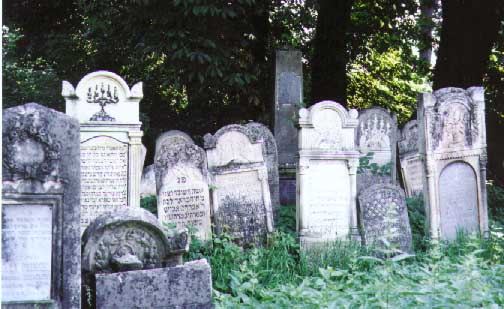
The Jewish Cemetery
Burial ground since 1831 – photographs, maps and 5,550 burial records.
Dedicated to the memory of our Bukowina ancestors.
Radauti (Rădăuţi; German Radautz, Yiddish Radevitz) is a town in southern Bukowina, today in northern Romania. Before the Second World War about a third of its population was Jewish. This site gathers its history, photographs, memoirs and genealogical records.
Rădăuți, Suceava County, Romania · 47°51′ N, 25°55′ E
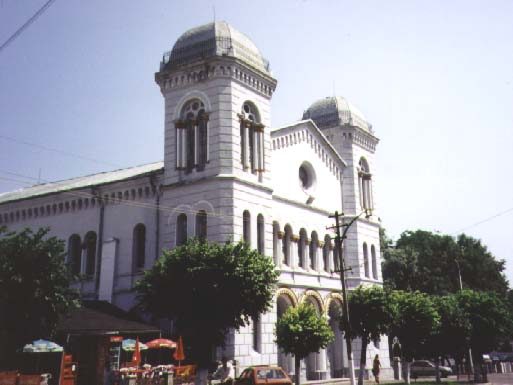
Burial ground since 1831 – photographs, maps and 5,550 burial records.
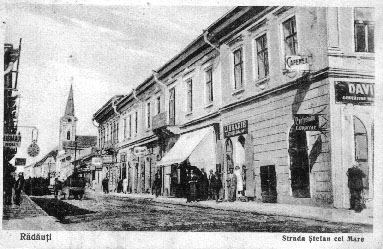
The story of the community, and maps of the town and of Bukowina.
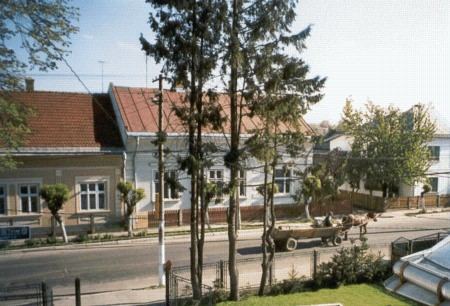
Photographs from 1998 to 2007, postcards and family collections.
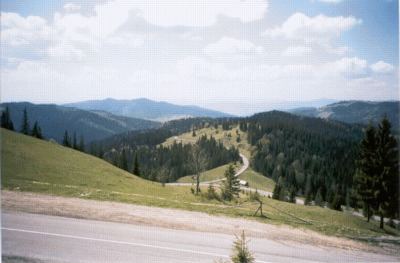
Journeys back to Bukowina and memories of those who lived there.
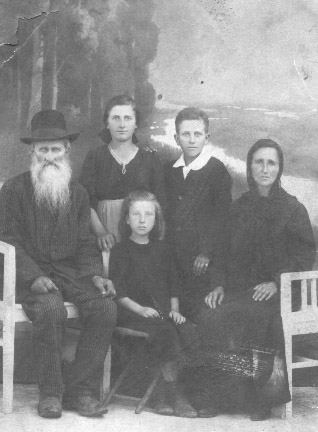
Records, family pages and searchable databases.
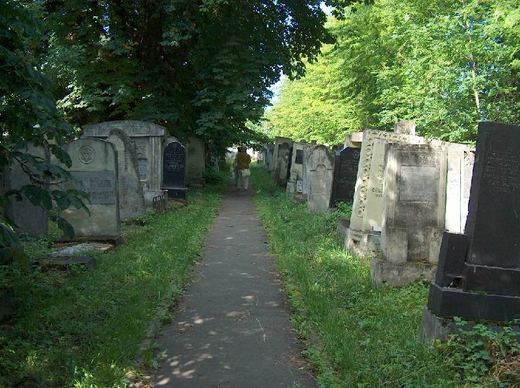
Bondy Stenzler’s photographs of the cemetery, summer 2004.
From a government tourist pamphlet for Radauti and the surrounding area:
Radauti, one of the oldest places of Moldavia, is situated at the foot of the Obcinele Bucovinea, at an altitude of 374 m from the sea level, and at a distance of 37 km from Suceava. Radauti was documentary certified in 1392 under the name Radomir’s village. There are some opinions which suggest that Radauti derives from Radomir, others sustain that its origins must be sought in ancient times and that its name derives from the Latin word Rottacenum – “rotta” meaning wheel or round, and “ciner” meaning ashes, therefore a round place for incineration. Situated in a region with unrivaled monuments of feudal art, a region where many great rulers and voivoids were buried, Radauti was visited by many tourists along the time, because whether you want to go to Putna or Sucevita, Margine or Arbore, you have to go through Radauti.
Have information or photographs to share? Send them to Bruce Reisch to be posted.