|


| Home | Photos | History (reserved) | Bibliography | Links | Memoirs & Family Stories | Archives |
| Holocaust | Cemetery | Maps | Heroes | Names (reserved) | Immigration (reserved) | Włocławek Today |
Welcome
IntroductionWłocławek was founded in the ninth century as a Polish settlement, sustained by agriculture and crafts. The town became part of Poland in the tenth century. By the Middle Ages, the town was established as the administrative center of the Kuyavia Duchy of central Poland. The years 1488 (1489?) - 1491 saw Copernicus a student in Włocławek, where he was involved in designing a sundial for the local cathedral. As a result of the Second Partition of Poland (1793), Włocławek became subject to Prussian rule, later falling under Russian control for the century ending in 1915. The nineteenth century saw the development of the town into a major undustrial center, becoming the site of Poland's first paper mill and cellulose plant. There does not seem to be any extant records indicating when Jews first settled in Włocławek. However, given that the fourteenth century saw a substantial migration (encourged by Casimir III) of Jews from Western Europe to Poland, it is not unreasonable to expect that some of them found their way to Włocławek. By the end of World War I, the Jewish community of Włocławek had become both culturally rich as well as a publishing center. There was a primary and secondary school, two yeshivas, and three sports clubs. There was also a religious Zionist movement (the Mizrachi movement). This lasted until the start of the Second World War in 1939. By 1939, the town's Jewish population had grown to about 13,500 (20% of the city's total population) souls, from a start of a mere 218 in 1820. This vibrant Jewish community came to a sudden end in September 1939. The Jews of Włocławek had the distinction of being the first Jews in Europe to be required, by order of the Nazi occupiers, to wear yellow badges. Before the end of that first September, the Nazis had burned down the synagogues. There was much worse to come — a ghetto was created in November 1940 and burned down seventeen months later, in April 1942; deportations, and more murders. Map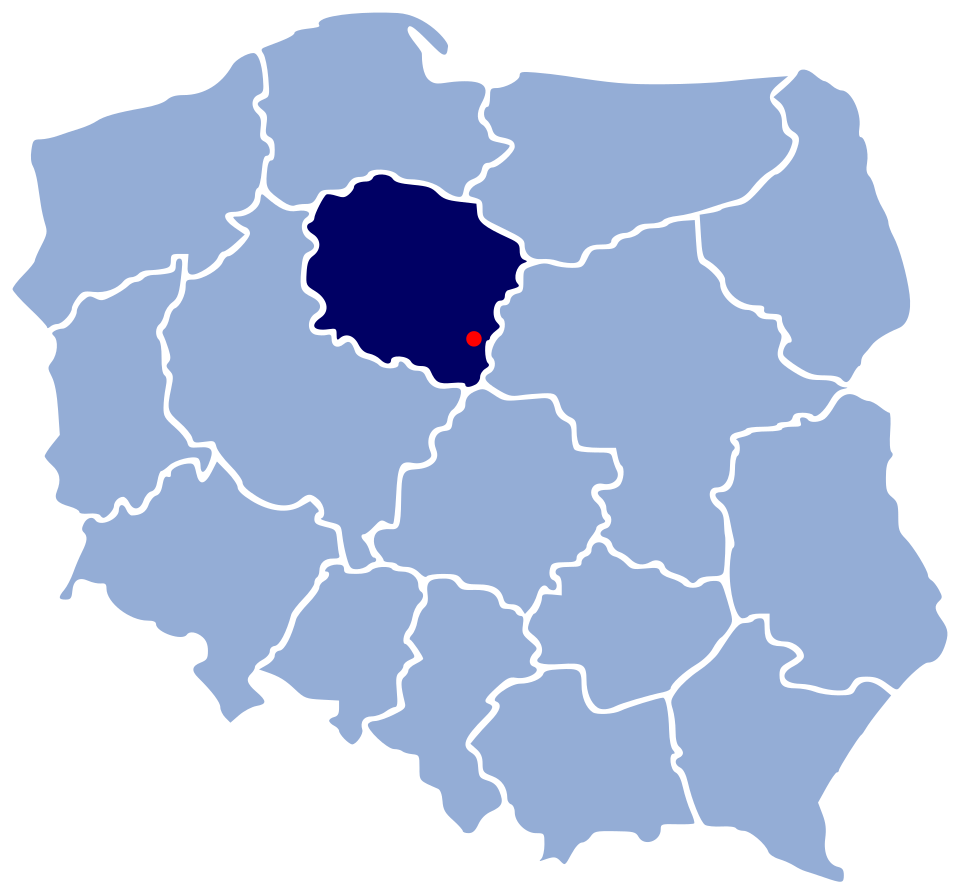
(click to enlarge) |
|||||||
| Compiled by Sandy Starkman | Webmaster: RLB | Copyright ©2025 Sandy Starkman and Martin Kaminer |
| Created: 12/13/2025 Revised: 12/14/2025 | ||
| JewishGen Home Page | Kehilalinks Directory | |
This site is hosted at no cost by JewishGen, Inc., the Home of Jewish Genealogy. If you have been aided in your research by this site |
||