Iaşi Romania
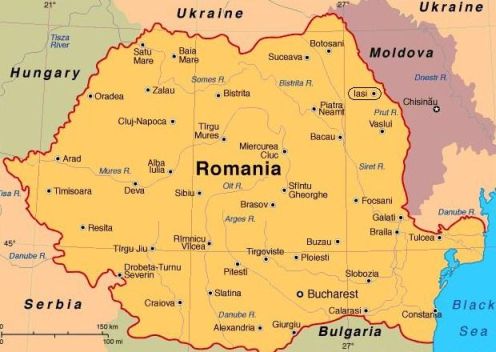
Other names: Jassy [Eng, Ger, Pol], Jászvásár [Hun], Iassy [French, Rus], Pronounced: "Yash" Yiddish: יאס Located: 47°10' N, 27°36' E
|
Iaşi RomaniaOther names: Jassy [Eng, Ger, Pol], Jászvásár [Hun], Iassy [French, Rus], Pronounced: "Yash" Yiddish: יאס Located: 47°10' N, 27°36' E |
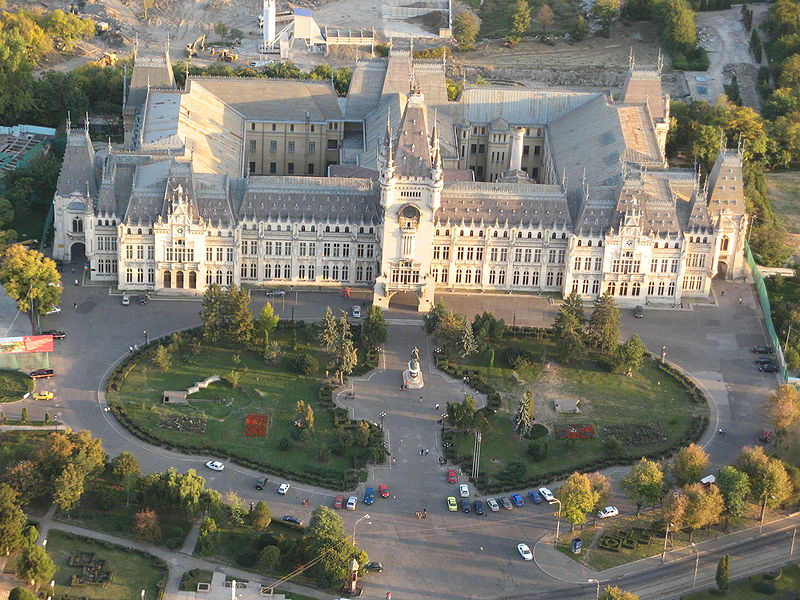
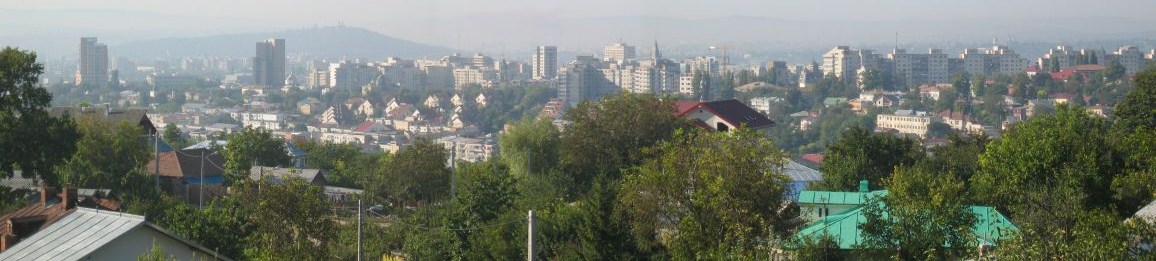 IASI PANORAMA
|
 |
|
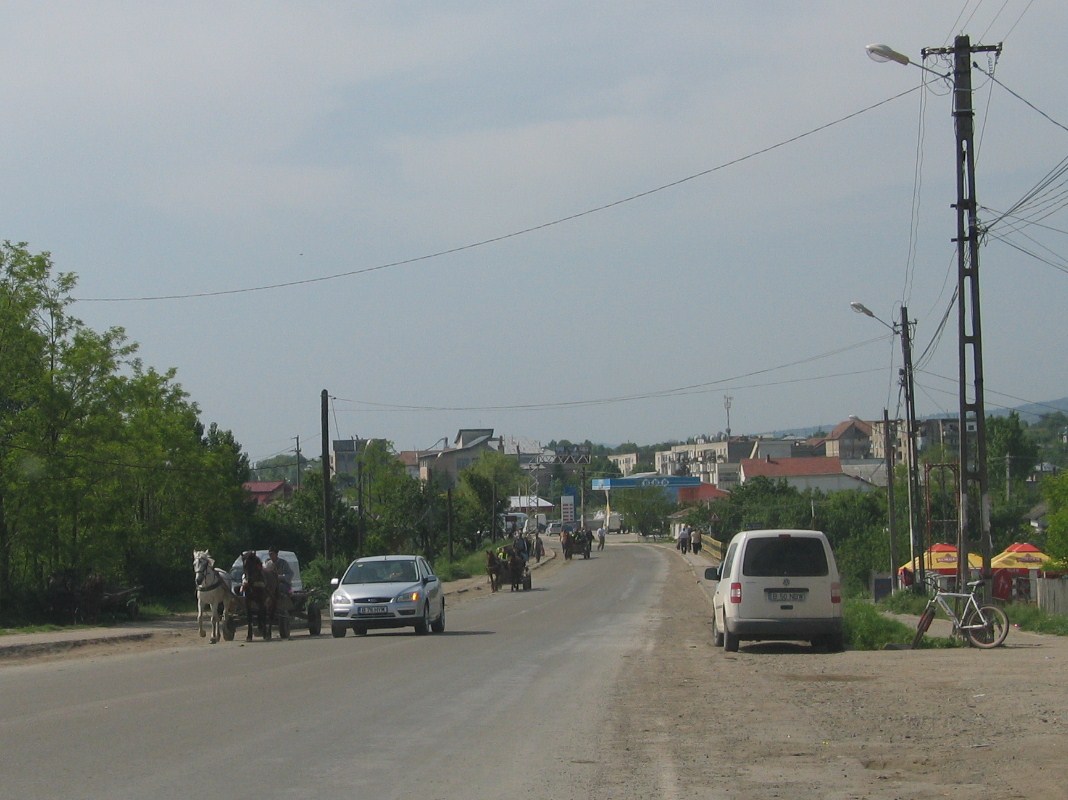
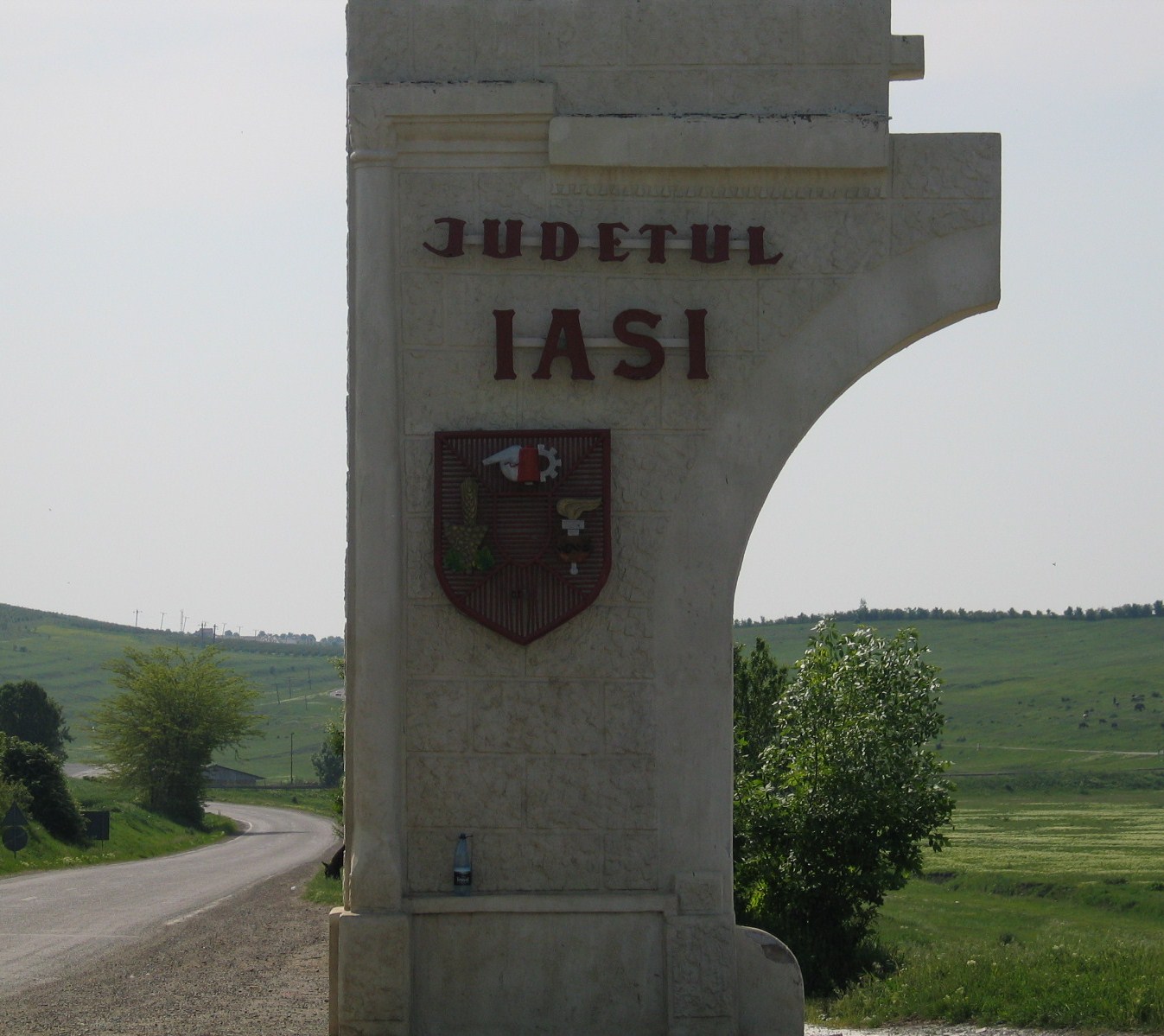
Iași is the largest city in eastern Romania (2012 population: 318,871) and the seat of Iași County (Judet). Iaşi was the capital of the country of Moldavia (aka Moldova) for almost 300 years (1564 to 1859). When Moldavia merged with Wallachia in 1859 Iasi and Bucharest were defacto capitals for three years. In 1862 the two principalities were recognized as Romania with the national capital in Bucharest. Iasi also served as capital of Romania during World War I from 1916–1918 when Bucharest was occupied by Germany and it's Allies. The first Jewish settlers arrived in Iasi around the 15th century. Isaac ben Benjamin Shor, a Jew from Jassy was steward and chancellor to Prince Stephen the Great who ruled Moldavia from 1457 ro 1504. Isaac also served under Bogdan (1504-1517), the son and successor of Stephen. In 1551, the Jew “Emanuel” was nominated by the Turkish sultan to be the ruler of Moldavia, however it is not clear whether he actually ruled. At the end of the 16th century, the Jewish settlement in Iasi became a stopover place for Polish merchants on their way to Bessarabia and the port at Galati. Several Moldavian princes used Jewish doctors, who also served political roles. The trade in wine and hard spirits at that time was almost solely in Jewish hands. In the 17th century, Iasi served as a stopover for immigrants from central and eastern European countries and Jews slowly began to settle in the area. In the 19th century the Jewish population throughout Romania grew rapidly and the fastest growth was in Moldavia and especially the largest cities:
In 1855, Iaşi was
the home of Iasi's prominence as a major center of Jewish culture is also noted in the area of music. The words of Ha Tikvah, the Israeli national anthem were written by Naphtali Herz Imber in Iasi. One particularly noteworthy Iasi academic family was headed by Benjamin Schwarzfeld who lived from 1822 to 1896. He was an educator, writer and father of:
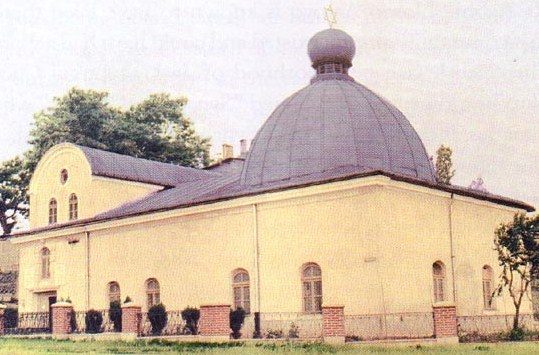
Elias wrote two highly regarded and interesting articles in the AJY 1901-02: The Jews of Roumania - From the Earliest Times to the Present Day and Situation of the Jews in Roumania - Since the Treaty of Berlin (1878). For more details from the Romanian point of view see Romania and the Jews by Radu D. Rosettio (1904) On the eve of the Holocaust (1930) Jews were the second largest ethnic group with 127 synagogues. After World War II Iaşi played a prominent part in the revival of Yiddish culture but politics and renewed anti-semitism in the 1960s/70s led to a declining Jewish population. Today there are about 300 to 600 Jews and one synagogue.
|
Iasi Yizkor Book Now AvailableJewishGen's
Yizkor-Books-In-Print project published a
480 page English translation (originally in Romanian)
of Trilogy
of Three Romanian Jewish Communities - Bacau, Iasi and Podu
Iloaiei" By I. Kara, a noted Romanian Yiddish scholar. click: Yizkor Book Website
Iasi Research ProjectsROM-SIG is
currently working on
record acquisition for Iasi and other Romanian cities. If you
can help please see ROM-SIG
VOLUNTEERS.
You can also donate funds at ROM-SIG PROJECT DONATIONS to help pay for photographing the records. Please inform ROM-SIG of your donations at: REPORT DONATION. Project details by town and years are available at The Moldavia Vital records Data base on Jewishgen For more information send email to Barbara Hershey Amazing Virtual Tours
|
This page is hosted at no cost to the public by JewishGen, Inc., a non-profit corporation. If you feel there is a benefit to you in accessing this site, your JewishGen-erosity is appreciated.
 the first
Yiddish language newspaper, Korot Haitim.
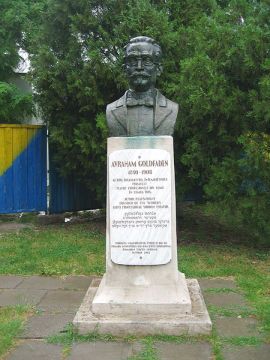
In 1876 Avraham Goldfaden (right) founded the world's first
professional
the first
Yiddish language newspaper, Korot Haitim.
In 1876 Avraham Goldfaden (right) founded the world's first
professional