Botosani, Romania
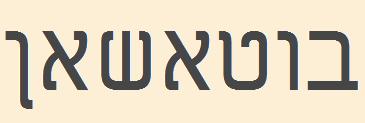
other names: Botoschan (Ger), Botoszany (Pol), Botoshani (Rus,Ukr), Botuschani. Location 47°45' / 26°40'
|
Botosani, Romania other names: Botoschan (Ger), Botoszany (Pol), Botoshani (Rus,Ukr), Botuschani. Location 47°45' / 26°40' |
|
 Botosani early 1900s |
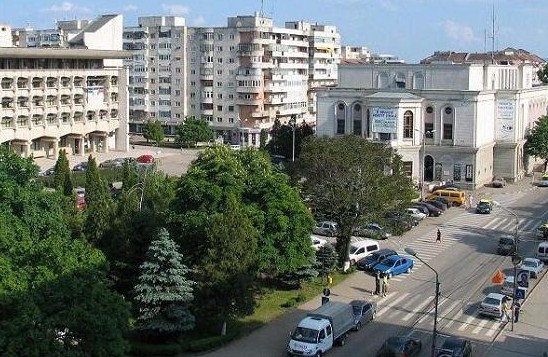 Botosani Today |
Take a TourOld BotosaniBotosani 1900 5:33New BotosaniBotosani 5:29Botosani Montage 4:15 imagini Botosani 9:54 |
|
Botosani History Botosani is a major city in northeast Romania and the capital of Botosani Judet (county). Early Jewish population is known from the 16th/17th centuries. Over the next few hundred years Jews leaving the Russian Empire, Galicia, and Germany headed south toward northern Romania (Moldovia and Bukovina). Jewish population growth was very rapid throughout the 19th century. Botosani Judet and Dorohoi Judet became major Jewish centers along with Jassy. Dorohoi merged with Botosani after WW2. According to
the Jewish Yearbook,
[London, 1902-03] the Jewish population (25,000 in 1901/02) in
Botosani was 72% - the highest
percentage of any large city in the world at that time. Iasi (Jassy)
had the 2nd highest percent at 58%.
Elias Schwarzfeld, writer and Romanian Jewish historian from Jassy, wrote two important articles which appeared in the American Jewish Yearbook, 1901-02: The Jews of Roumania - From the Earliest Times to the Present Day [pages 25-62] and Situation of the Jews in Roumania - Since the Treaty of Berlin (1878) [pages 63-87] Radu B. Rosetti (a.k.a. Verax) wrote his own view of how the Jews came to Romania in Romania and the Jews, 1904. A key turning point in Jewish life in Romania occured in 1866 with laws that denied them citizenship, schooling, and economic opportunity. In 1878 the Congress of Berlin attempted to legislate basic rights for religious and other minorities, however it soon became apparent that nothing had changed for Jews in Romania. At the same time a new era of economic and religious opportunity opened across the Atlantic. It was not surprising that from 1890 to 1910 about 90% of all Romanians who emigrated to the United States were Jewish. [Samuel Joseph, 1914], chapter IV. A
large community remained up through the Holocaust and tried to regroup
after WW2. However, the communist regime placed numerous
restrictions on Jews including measures such as closing
schools,
outlawing all Jewish organizations and restricting
occupations/professions that were common to Jews.
This time the new state of Israel was relatively
close and a
very friendly option. At first Jewish families slowly left for Israel
until eventually a critical mass was achieved and the emigration rate
increased significantly. The following table tells the story:
Population numbers by ethnicity from census reports for the period 1930-2002, Romanian National Institute for Statistics. Botosani LinksGoogle Translate - Romanian to English translate (a few pages) of text or web pages from/to English or other languages. Not perfect but free and very fast.Pinkas Hakehillot - Botosani Jewishgen Communities DataBase - Botosani Romania Wikipedia - Botosani
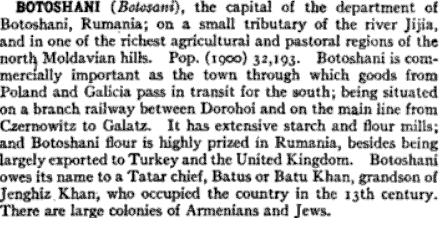
(Romanian) Wikipedia - Botosani Wikipedia - Botosani Judet (county) WorldCat - Jewish Botosani. Find related books in libraries. Google Books Find books on Jewish Botosani. Some can be read online and downloaded for free. Here are two samples:The Encyclopeadia Britannica, 1910:
Train route in 1891 Baedeker Handbook pages 402-403. The Express train from Czernowitz to Bucharest completed the 331 miles in 16 hours in 1891. In 2007 it took 14 hours
Join the: Botosani Facebook Group.Facebook members
can click above and non-members may search Facebook for
"Botosani-Gen"
|
Botosani Research projects In 2008 a group of dedicated Botosani descendants/researchers started an independent project to photograph and develop computer spreadsheet indexes for all Jewish civil records and other registers located at the Botosani branch of the Romanian State Archives. This project is not part of the Jewishgen Romania Database. As of 2017 all available Jewish Botosani civil records (over 120,000) from locations with a significant Jewish presence in the former historical counties of Botosani and Dorohoi are now indexed. Other nearby towns have also been indexed. For more
information on these records send email to: recsbot@gmail.com
or the webmaster.
We dedicate our project to the memory of our friend and colleague Rony Shaham who was one of the primary translators from the beginning. Completed Civil Birth, Marriage, Death (BMD) record indexes:
Details of the initial project were published in Avotaynu - The International Review of Jewish Genealogy [Vol 27-2, Summer 2011, 11-13]. Join the: Botosani Facebook Group.Facebook members
can click above and non-members may search Facebook for
"Botosani-Gen"
How You Can HelpWe need
people familiar with the Romanian language and
Jewish names for future work at home using the photographed records. We
also need to pay for the photographer,
archive fees, and small administrative costs. All money
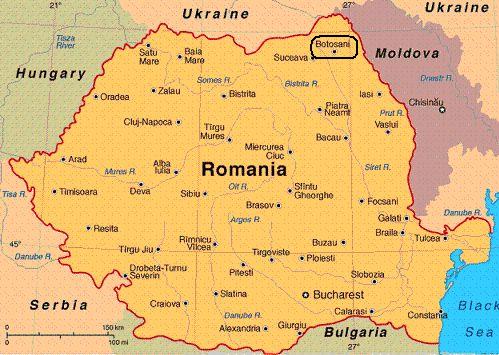
received go directly to acquiring records. Romania and Border Countries
|
 |
 |
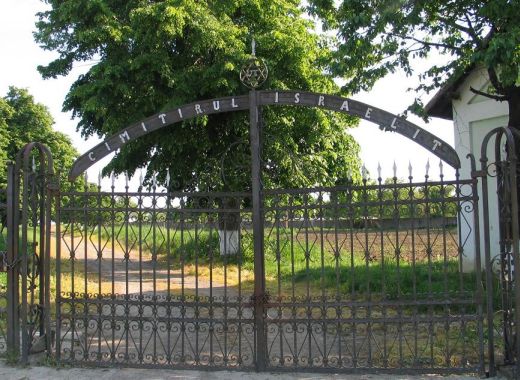
| Botosani
Cemetery |
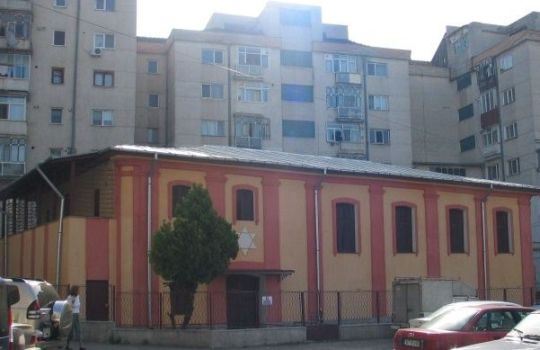
Botosani Synagogue
built 1834 |
|
|
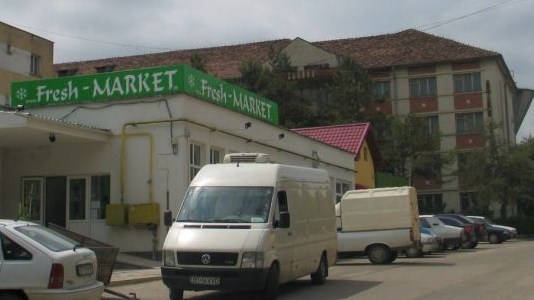 |
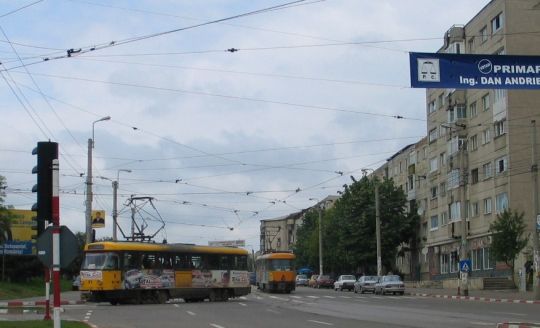
| Botosani Transit - frequent, quiet, clean | Supermarket with Botosani Branch of National Archives in Background |
Romania Database (for Botosani)
The
JewishGen Romania Database is a conglomeration of component
Databases from 3 related SIG groups and individual donors.
Exact contents and a standard Jewishgen database search
option are at: jewishgen.org/databases/Romania.
This page is hosted at no cost to the public by JewishGen, Inc., a non-profit corporation. If you feel there is a benefit to you in accessing this site, your JewishGen-erosity is appreciated.
Last Updated on January 29, 2020
|
Botosani, Romania other names: Botoschan (Ger), Botoszany (Pol), Botoshani (Rus,Ukr), Botuschani. Location 47°45' / 26°40' |
|
|
Botosani early 1900s |
Botosani Today |
Take a TourOld BotosaniBotosani 1900 5:33New BotosaniBotosani 5:29Botosani Montage 4:15 imagini Botosani 9:54 |
|
Botosani History Botosani is a major city in northeast Romania and the capital of Botosani Judet (county). Early Jewish population is known from the 16th/17th centuries. Over the next few hundred years Jews leaving the Russian Empire, Galicia, and Germany headed south toward northern Romania (Moldovia and Bukovina). Jewish population growth was very rapid throughout the 19th century. Botosani Judet and Dorohoi Judet became major Jewish centers along with Jassy. Dorohoi merged with Botosani after WW2. According to
the Jewish Yearbook,
[London, 1902-03] the Jewish population (25,000 in 1901/02) in
Botosani was 72% - the highest
percentage of any large city in the world at that time. Iasi (Jassy)
had the 2nd highest percent at 58%.
Elias Schwarzfeld, writer and Romanian Jewish historian from Jassy, wrote two important articles which appeared in the American Jewish Yearbook, 1901-02: The Jews of Roumania - From the Earliest Times to the Present Day [pages 25-62] and Situation of the Jews in Roumania - Since the Treaty of Berlin (1878) [pages 63-87] Radu B. Rosetti (a.k.a. Verax) wrote his own view of how the Jews came to Romania in Romania and the Jews, 1904. A key turning point in Jewish life in Romania occured in 1866 with laws that denied them citizenship, schooling, and economic opportunity. In 1878 the Congress of Berlin attempted to legislate basic rights for religious and other minorities, however it soon became apparent that nothing had changed for Jews in Romania. At the same time a new era of economic and religious opportunity opened across the Atlantic. It was not surprising that from 1890 to 1910 about 90% of all Romanians who emigrated to the United States were Jewish. [Samuel Joseph, 1914], chapter IV. A
large community remained up through the Holocaust and tried to regroup
after WW2. However, the communist regime placed numerous
restrictions on Jews including measures such as closing
schools,
outlawing all Jewish organizations and restricting
occupations/professions that were common to Jews.
This time the new state of Israel was relatively
close and a
very friendly option. At first Jewish families slowly left for Israel
until eventually a critical mass was achieved and the emigration rate
increased significantly. The following table tells the story:
Population numbers by ethnicity from census reports for the period 1930-2002, Romanian National Institute for Statistics. Botosani LinksGoogle Translate - Romanian to English translate (a few pages) of text or web pages from/to English or other languages. Not perfect but free and very fast.Pinkas Hakehillot - Botosani Jewishgen Communities DataBase - Botosani Romania Wikipedia - Botosani
(Romanian) Wikipedia - Botosani Wikipedia - Botosani Judet (county) WorldCat - Jewish Botosani. Find related books in libraries. Google Books Find books on Jewish Botosani. Some can be read online and downloaded for free. Here are two samples:The Encyclopeadia Britannica, 1910:
Train route in 1891 Baedeker Handbook pages 402-403. The Express train from Czernowitz to Bucharest completed the 331 miles in 16 hours in 1891. In 2007 it took 14 hours
Join the: Botosani Facebook Group.Facebook members
can click above and non-members may search Facebook for
"Botosani-Gen"
|
Botosani Research projects In 2008 a group of dedicated Botosani descendants/researchers started an independent project to photograph and develop computer spreadsheet indexes for all Jewish civil records and other registers located at the Botosani branch of the Romanian State Archives. This project is not part of the Jewishgen Romania Database. As of 2017 all available Jewish Botosani civil records (over 120,000) from locations with a significant Jewish presence in the former historical counties of Botosani and Dorohoi are now indexed. Other nearby towns have also been indexed. For more
information on these records send email to: recsbot@gmail.com
or the webmaster.
We dedicate our project to the memory of our friend and colleague Rony Shaham who was one of the primary translators from the beginning. Completed Civil Birth, Marriage, Death (BMD) record indexes:
Details of the initial project were published in Avotaynu - The International Review of Jewish Genealogy [Vol 27-2, Summer 2011, 11-13]. Join the: Botosani Facebook Group.Facebook members
can click above and non-members may search Facebook for
"Botosani-Gen"
How You Can HelpWe need
people familiar with the Romanian language and
Jewish names for future work at home using the photographed records. We
also need to pay for the photographer,
archive fees, and small administrative costs. All money
received go directly to acquiring records. Romania and Border Countries
|
|
|
| Botosani
Cemetery |
Botosani Synagogue
built 1834 |
|
|
|
| Botosani Transit - frequent, quiet, clean | Supermarket with Botosani Branch of National Archives in Background |
Romania Database (for Botosani)
The
JewishGen Romania Database is a conglomeration of component
Databases from 3 related SIG groups and individual donors.
Exact contents and a standard Jewishgen database search
option are at: jewishgen.org/databases/Romania.
This page is hosted at no cost to the public by JewishGen, Inc., a non-profit corporation. If you feel there is a benefit to you in accessing this site, your JewishGen-erosity is appreciated.
Last Updated on January 29, 2020