



"On this place was going to be
a monument of a hero of
the Patriotic War of 1812,
Marshal P.Kh. Wittgenshtein"

Location: 48°02´N x 28°42´E
(Click your browser's "Back" button to return)

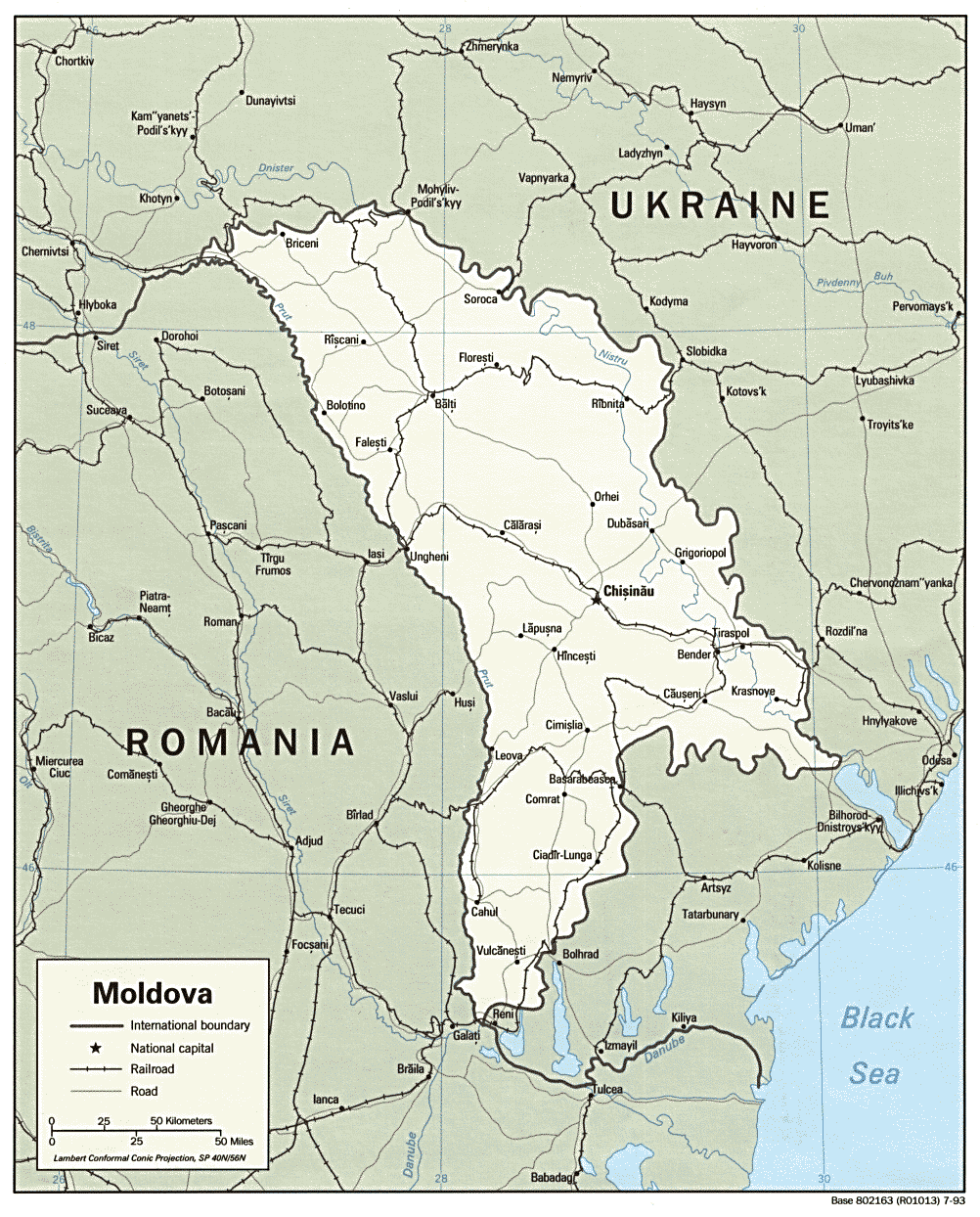
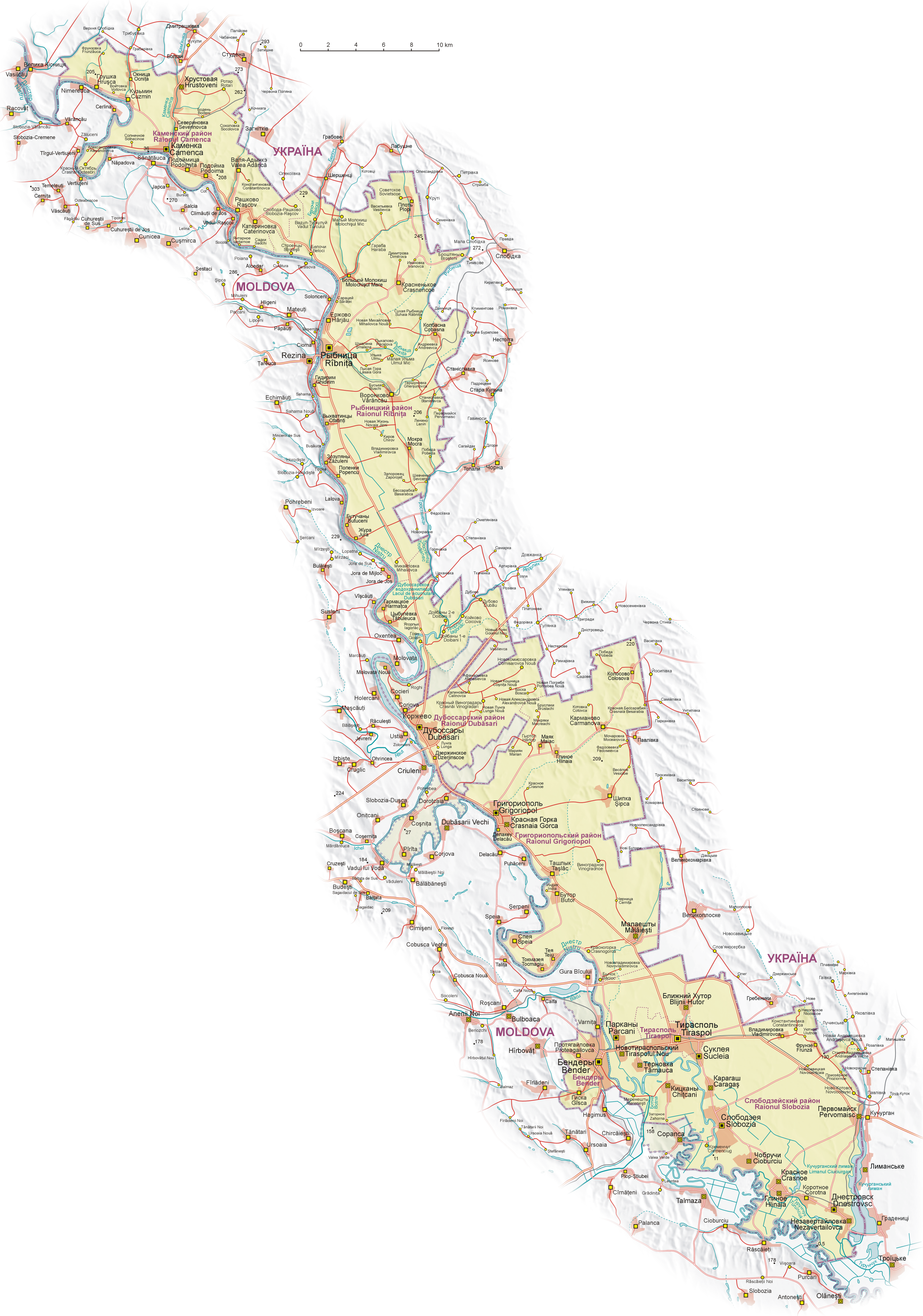
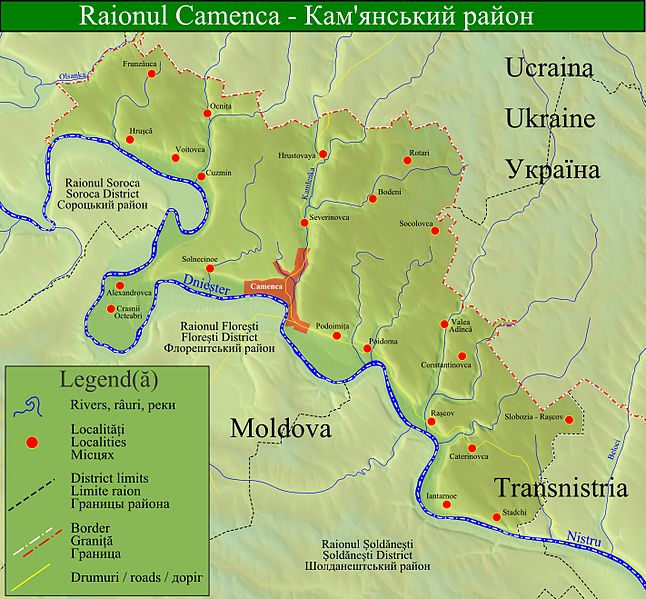
Camenka is a main town in a subdistrict of Camenka of Transnistria, Moldova. The district contains this town and 12 communes (a total of 23 localities, including the small villages/hamlets):
Camenca is located along the river Dniester. It is the northernmost sub-district of Transnistria. According to the 2004 Census in Transnistria, the population of the sub-district is 27,284 people,
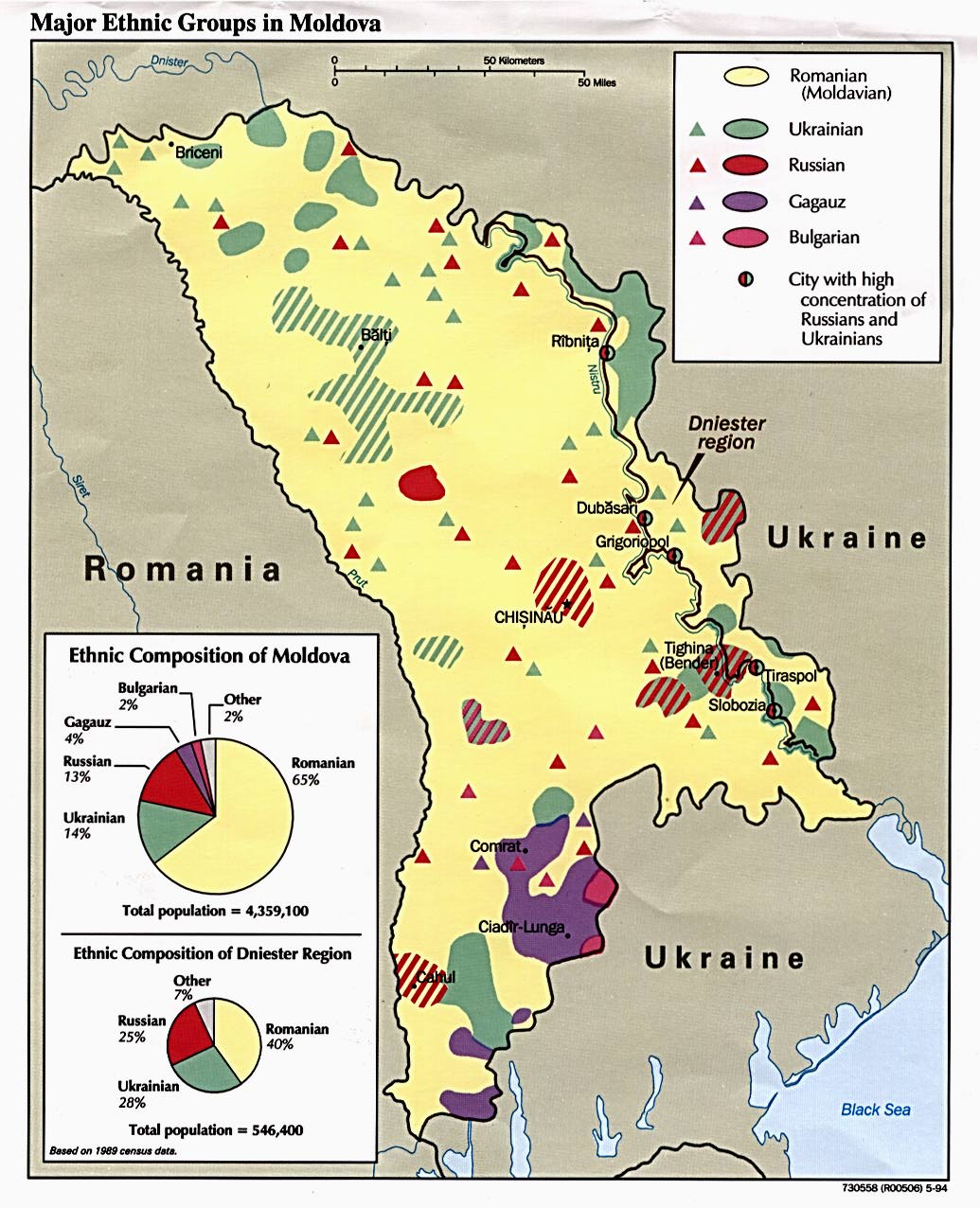
including 13,048 (47.82%) Moldovans (Romanians), 11,610 (42.55%) Ukrainians, 1,880 (6.89%) Russians, 43 (0.16%) Gagauzians, 59 (0.22%) Bulgarians, 9 (0.03%) Romas, 10 (0.04%) Jews, 447 (1.64%) Poles,
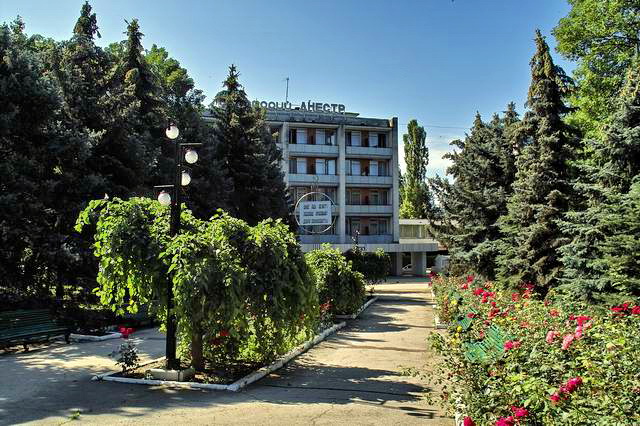
85 (0.31%) Belarussians, 26 (0.10%) Germans, 16 (0.06%) Armenians, and 51 (0.19%) others. The sub-district is home to the Dniester Sanatorium, the oldest health resort in Transnistria.

(courtesy of Martin and Rivka )
The first mention of Kamenka refers to 1608, so the town is more than 400 years old. In 1711 Kamenka and other villages in the neighbourhood belonged to polish magnates -Konetspolski, and since 1719, the land passed to Lubomirski. In the 18th century Russian-Turkish wars took place on these territories. In 1793, when these lands were joined to Russia, the Kamenka initially entered the Bratslav province, and then Podolsk.
In 1805 Antonina Wittgenstein bought Kamenka for 135000 roubles. She was the wife of well-known Piotr Christianowitsch Wittgenstein, whose father Ludwig Casimir Wittgenstein-Berleburg belonged to an ancient noble German family. Count Piotr Wittgenstein defended the northern region and the capital of Russia from Napoleon's invasion. In 1813, Wittgenstein's name became known in all Russia for his bravery in the battle under Dresden and he received a golden sword decorated with diamonds.
Lev Tolstoy, a famous Russian writer, in his novel "War and Peace," calls P.H. Wittgenstein's "the hero of St. Petersburg." The mansion of Wittgenstein in Kamenka belonged to "the most magnificent in Podolia." In 1819 Count Wittgenstein built his mansion and created two parks. In these parks there were lakes interconnected by canals with small bridges over it.
Kamenka - shtetl (mestechko) Olgopol uezd, Podolia Gubernia. In 1897 total population 6746, Jews – 2902. (Broghauz & Efron, Jewish Encyclopedia, 1906, translation from Russian.)
In 1939 in Kamenka lived 1283 Jews, which was 17.4% of total population. At the beginning of Great Patriotic War in June 22, 1941 some Jews were conscripted to the Soviet Army, and others evacuated to the East in June-July of 1941. On 23-24 of July, 1941, the Romanian Army passing by the town, shot dozens of Jews near the Fire department building. First were killed men, thereafter women with children. After that the ghetto was created. At the end of 1941-beginning of 1942, Romanian gendarme (policemen) by the order of the Head of gendarme Popa took from ghetto daily 20-30 people. At night they moved them to bank of Dniester River, shot them and corpses were thrown into the hole ice on Dniester. More than 1000 Jews were killed in town and nearby district. In the documents of Special Government Commission (“ChGK”) of the Soviet Union, 335 victims Jews were listed, including 70 children. Ghetto was liquidated in the beginning of 1942. Prisoners gathered at the central square. Those who could not walk drowned in Dniester, others moved to Rybnitsa (Moldova) and then to Transnistria to village Lipetskoe, were most of the deported were killed. Translation from Russian from “Holocaust on the Territory of the Soviet Union”, Encyclopedia, 2011. Nazariya C. Holocaust: Pages of history in Moldova and nearby Ukraine in the years of fascist occupation, 1941-1944, Kishinev, 2005.

Please send new stories about your families in Kamenka to publish in this section.
(Click on each photo to enlarge.)




More photos from Kamenka at
Cemetery: "...During my recent trip, I was shown by a local gentile women what clearly was the remnant of an "ohel" (a small building customarily built over the grave of a Chasidic Rebbe) in the Jewish cemetery in this Kaminka. She assured me that this was where the "Tzadik" was buried. I have had independent confirmation of this as well. ... The sole remaining Jew in the town had no information for me." Source: Abraham Heschel:aheschel@safeaccess.com [28 Oct 2000 on JewishGen Digest]
○ JewishGen Family Finder (JGFF) for Kamenka, Moldova
Click JGFF Database to learn how to connect with others researching Kamenka.
Yad Vashem, Jerusalem:
○ Find the Pages of Testimonies for victims born or lived in Camenca, Moldova
I would like to thank all people who participated in the Camenca WebSite project.
Please send comments, corrections, and suggestions for additions to Marilyn Feingold.
|
Yefim A. Kogan revised 18 March 2022 Copyright © 2014 Marilyn Feingold, Yefim A Kogan |
There have been visits to this page.
Jewish Gen Home Page | Kehilalinks Directory | Bessarabia SIG
This site is hosted at no cost by JewishGen, Inc., the Home of Jewish Genealogy. If you have been aided in your research by this site and wish to further our mission of preserving our history for future generations, your JewishGen-erosity is greatly appreciated.